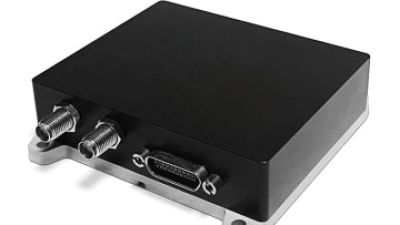
Picking out the right Inertial Measurement System (IMS) isn’t exactly a walk in the park. With so many options floating around, it can get pretty confusing figuring out what actually fits your needs. John Smith over at TechMotion puts it simply: “The best IMS is the one that matches your specific application.” That’s a good reminder that there’s no one-size-fits-all here—what works for one project might not be ideal for another.
Inertial Measurement Systems are used everywhere—from aerospace to robotics, and each field has its own must-haves. For example, things like precision, weight, and how tough the environment is become pretty big deals when choosing the right system. Honestly, narrowing down your choices can feel super overwhelming with so many bells and whistles these days. It’s easy to get lost in all the details.
A lot of folks tend to spin their wheels by choosing systems based mainly on price, thinking it’s saving them money. But more often than not, that’s a mistake because performance tends to suffer. Cutting corners on quality to save a buck usually ends up costing more in the long run. Taking a moment to think about your actual operational goals can make a huge difference. At the end of the day, finding a system tailored to your needs will make your work way more efficient and precise. Trust me, it’s worth the effort.

Understanding Inertial Measurement Systems: An Overview
Inertial Measurement Systems (IMS) are crucial for applications in aviation, robotics, and automotive industries. They measure specific forces and angular rates. The data from IMS can help in navigation and motion tracking. According to a recent market report, the global inertial measurement system market will reach $10 billion by 2025, registering a compound annual growth rate of 7.3%. This growth reflects the increasing reliance on precise motion sensing technology.
When selecting an Inertial Measurement system, consider your specific needs. Do you require high accuracy or rugged durability? The environment might dictate your choice. For instance, a system used underwater will need different specifications than one used in aerospace. Always examine the performance specifications. Look for details like the drift rate and bias stability.
Tips: Always compare multiple systems. Don’t rush your decision. Analyze how the system performs in real-world scenarios. Seek out user reviews and feedback to gauge reliability. While many systems look similar, subtle differences can impact performance significantly. Understand your application requirements thoroughly. This ensures the selected inertial measurement system meets your expectations and requirements.
Comparison of Inertial Measurement System Specifications
This chart compares various specifications of different inertial measurement systems (IMUs) based on key features such as Size, Weight, Cost, and Sensor Types.
Key Types of Inertial Measurement Systems and Their Applications
Inertial Measurement Systems (IMS) play a crucial role in various applications. They are used in aviation, automotive, robotics, and mobile devices. When considering an Inertial Measurement System, it’s vital to know the different types available. Each type has unique features suited for specific needs.
One common type is the Inertial Navigation System (INS), which integrates data from accelerometers and gyroscopes. It provides precise position and movement tracking. This is essential in aerospace operations, where accuracy can determine mission success. Another type is the Attitude and Heading Reference System (AHRS), which offers orientation data. This system is often found in marine navigation.
Choosing the right IMS can be challenging. Different environments require different specifications. There are trade-offs between size, weight, and performance. The cost can also vary significantly. Reflect on your specific needs before deciding. Some users may prioritize accuracy over price, while others may need compactness. Understand your requirements carefully before making a choice.
How to Choose the Right Inertial Measurement System for Your Needs?
| Type of Inertial Measurement System |
Key Features |
Typical Applications |
Accuracy |
Cost Range |
| Microelectromechanical Systems (MEMS) |
Compact, low power consumption, integrated sensors |
Smartphones, drones, wearable devices |
Low to moderate (1-5%) |
$10 - $500 |
| Fiber Optic Gyroscopes (FOG) |
High precision, immunity to electromagnetic interference |
Aerospace, marine navigation, defense |
High (0.1-1%) |
$2,000 - $20,000 |
| Ring Laser Gyroscopes (RLG) |
High accuracy, rapid response, gyroscopic stability |
Aircraft, missile guidance, robotics |
Very high (0.01-0.1%) |
$5,000 - $30,000 |
| Inertial Navigation Systems (INS) |
Combines accelerometers and gyroscopes, position tracking |
Autonomous vehicles, military applications, spacecraft |
Moderate to high (1-3%) |
$1,000 - $50,000 |
| Strapdown Systems |
No moving parts, software based calculations, real-time processing |
Navigation for vehicles, robotics, mobile devices |
Variable (0.5-2%) |
$500 - $10,000 |
Factors to Consider When Selecting an Inertial Measurement System
When selecting an inertial measurement system, several factors come into play. The application you intend to use it for is crucial. For instance, high-precision navigation demands more sophisticated sensors. In contrast, basic motion tracking may require less accuracy. Think about how precise you need the data to be. This can often lead to a trade-off between cost and performance.
Another factor to consider is the environmental conditions. Some systems perform poorly in certain temperatures or humidity levels. If your project involves outdoor use, ensure the system can withstand the elements. Battery life is also significant. A system with a short battery life can be a hassle during long sessions. Thus, weigh your options carefully.
Do consider size and weight as well. Not every project permits bulky hardware. Smaller, lighter systems offer flexibility but may compromise on data quality. Evaluate how much space you have for installation. Also, be mindful of future needs. Will this system scale with your project? Neglecting this could lead to unexpected challenges down the line.
Performance Specifications: Accuracy, Sensitivity, and Drift
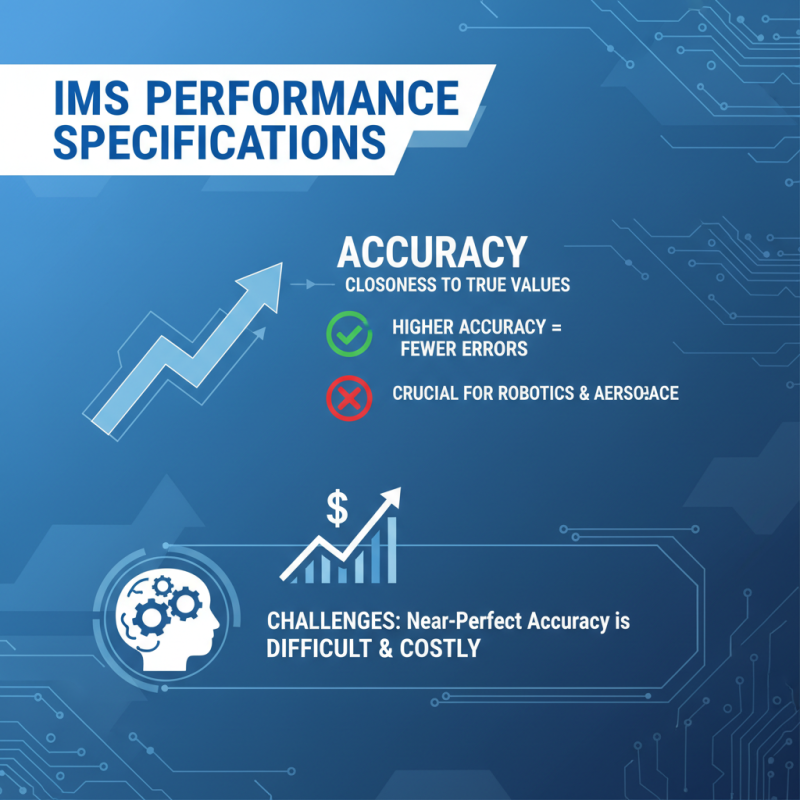
When choosing an inertial measurement system (IMS), performance specifications are crucial. Accuracy refers to how closely the system's measurements align with true values. A higher accuracy rate means fewer errors, which is vital in applications like robotics and aerospace. However, achieving near-perfect accuracy can be challenging and often comes with increased costs.
Sensitivity is another key specification. It indicates how well the system can detect small changes in motion. A highly sensitive system can capture subtle movements, but excessive sensitivity might lead to noise. This can result in inaccurate data if not managed properly. It's essential to strike a balance based on project needs.
Drift is the gradual deviation of measurements over time. All inertial systems experience drift, but understanding its implications is crucial. Applications that require long-term stability may need additional calibration techniques. Recognizing this drift can help in adjusting measurements for improved accuracy. Make sure to evaluate how drift will affect your specific workload.
Evaluating Environmental Conditions for System Suitability
Choosing the right inertial measurement system requires careful consideration of environmental conditions. Different settings can affect the performance of an
Inertial Measurement Unit (IMU).
For example, high temperatures may lead to sensor drift. Humidity can impact the sensor's reliability.
Understanding these factors will help you select a suitable system for your application.
Tips: Always check specifications for temperature ranges. Assess how moisture levels could affect the IMU.
Make sure to test the unit in conditions similar to its intended use.
Another vital aspect to consider is vibration and shock. A robust IMU might be needed in environments where heavy machinery operates.
On the other hand, gentle conditions may not require such a resilient unit.
It's crucial to match the IMU’s durability with your environment's demands.
Tips: Conduct tests under real-world conditions if possible. Always consider unforeseen factors like sudden impacts.
Reflect on past experiences to guide your selection process.
Budgeting for Your Inertial Measurement System Needs
Choosing the right Inertial Measurement System (IMS) requires careful budgeting. Consider your specific application and how much data accuracy you need. Reports suggest that the average cost of an Inertial Measurement Sensor can vary widely. Basic systems may start at a few hundred dollars, while advanced models can exceed several thousand. Knowing your budget helps narrow down options.
Unforeseen expenses often arise. Maintenance, calibration, and updates can add to the initial cost of an inertial measurement sensor. A report by the International Journal of Robotics & Automation noted that long-term maintenance can consume up to 20% of the initial investment. This stresses the need for a comprehensive budget plan.
Don’t forget about future scalability. If your project expands, does your budget accommodate that? It’s essential to think beyond the initial purchase. The IMS market is continually evolving. Choosing a system that can't adapt may lead to regrets down the line. Often, buyers miss this aspect. Reflecting on these factors can save both time and resources in the long run.
Future Trends in Inertial Measurement Technology and Their Impact
Inertial measurement technology is advancing rapidly. Recent reports indicate a projected market growth of over 10% annually. Many sectors, like automotive and aerospace, are driving this demand. New applications arise, requiring more precise measurements. The push for better accuracy stresses existing systems.
Emerging trends are notable. Improved algorithms enhance data processing. These innovations promise more efficient performance. However, as systems become more complex, integration poses challenges. Not all companies can adapt quickly. Some may struggle with cost, while others face technical barriers. This can lead to missed opportunities in a competitive market.
Another focus is miniaturization. Smaller sensors allow for greater flexibility in design. However, smaller sizes often mean compromises in performance. The need for balance is critical. Companies must evaluate their specific requirements. Overselling capabilities without addressing limitations can undermine a project’s success. Understanding these trends will guide better choices in the future.
Exploring the Applications and Innovations of Micro Electro Mechanical Systems in Advanced Technology
Micro Electro Mechanical Systems (MEMS) are revolutionizing various sectors by enhancing the performance and capabilities of advanced technologies. With their ability to integrate sensors, actuators, and electronics on a single chip, MEMS are paving the way for innovations in areas such as navigation, healthcare, and communications. According to a recent market research report, the MEMS market is expected to surpass $40 billion by 2025, driven largely by demand for miniature devices that offer high precision and reliability.
In particular, MEMS navigation products are notable for their outstanding performance metrics. With a heading accuracy of just 0.1 degrees and attitude accuracy also at 0.1 degrees, these devices are remarkably precise, making them ideal for applications in autonomous vehicles, drones, and advanced robotics. The lightweight and compact nature of MEMS technology allows for seamless integration into a wide variety of systems, making them indispensable in modern engineering solutions.
The versatility of MEMS extends beyond navigation; they are also gaining traction in medical devices and wearables. For instance, MEMS sensors offer enhanced monitoring capabilities that are crucial for telemedicine and personal health tracking applications, as indicated in various industry reports highlighting their role in reducing costs and improving patient outcomes. As technology progresses, the innovations driven by MEMS will continue to shape the landscape of advanced technology, unlocking new possibilities across multiple disciplines.
FAQS
: The product aims to enhance daily experiences and provide convenience. It helps users solve specific problems effectively.
Feedback indicates mixed feelings. Some find it very helpful, while others note limitations in certain areas.
Generally, it is user-friendly. However, some individuals may face challenges due to personal needs or preferences.
Yes, some users report a slight learning curve. Others might find it intuitive right away. Experience can vary.
Users mention occasional malfunctions. Some aspects might not meet expectations, leading to frustration for a few.
Key features often include design, functionality, and ease of use. Each person's priorities may differ significantly.
Regular upkeep is essential. Neglect can lead to faster wear and reduced efficiency over time.
Yes, several alternatives exist. Each has unique pros and cons, suitable for different user needs and preferences.
Typically, some form of warranty is offered. Users should review terms to understand coverage and limits.
Many express a desire for enhanced features or simpler use. Improvements could significantly affect overall satisfaction.
Conclusion
Choosing the right Inertial Measurement System (IMS) begins with a fundamental understanding of the technology and its various applications. IMS can differ widely, with specific types suited for distinct use cases ranging from aerospace to mobile devices. When selecting an IMS, several factors must be considered, including performance specifications such as accuracy, sensitivity, and drift, as well as the environmental conditions in which the system will operate. Additionally, potential users should also factor in budgeting requirements, as the cost can vary significantly based on the system’s capabilities.
As the technology behind Inertial Measurement Systems continues to evolve, staying informed about future trends is crucial. Innovations in sensor design and integration may enhance the performance and applicability of IMS, making them even more integral to modern technology. Evaluating these aspects thoroughly ensures that users can select an Inertial Measurement System that best meets their specific needs and operational demands.

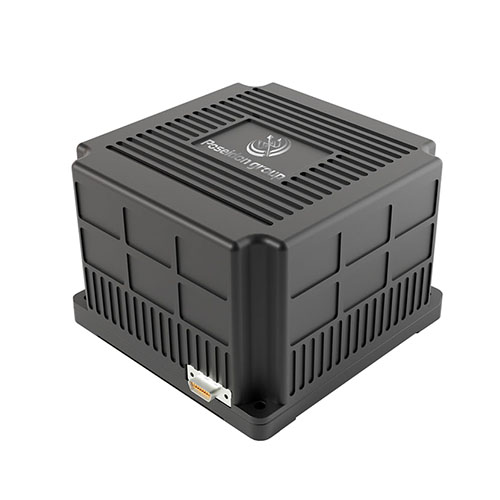 TBSD60
 BSD120
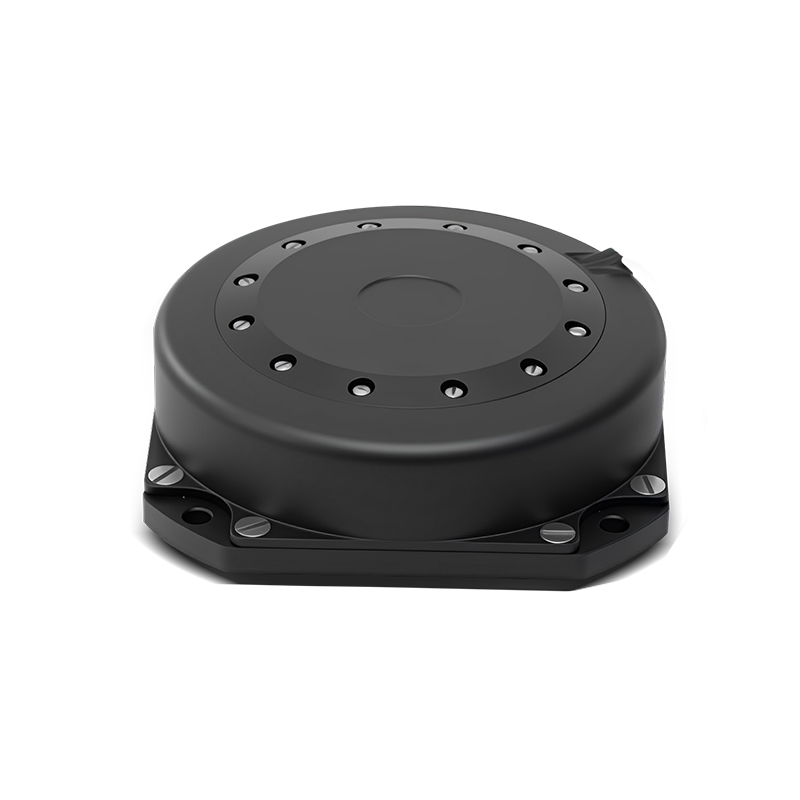 BSD98
BSD98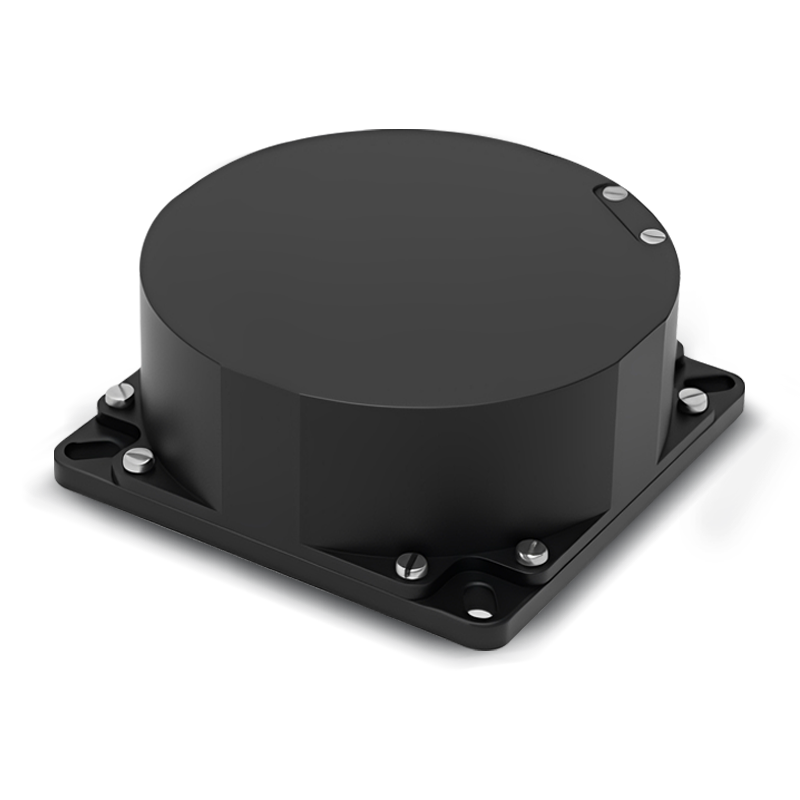 BSD70
BSD70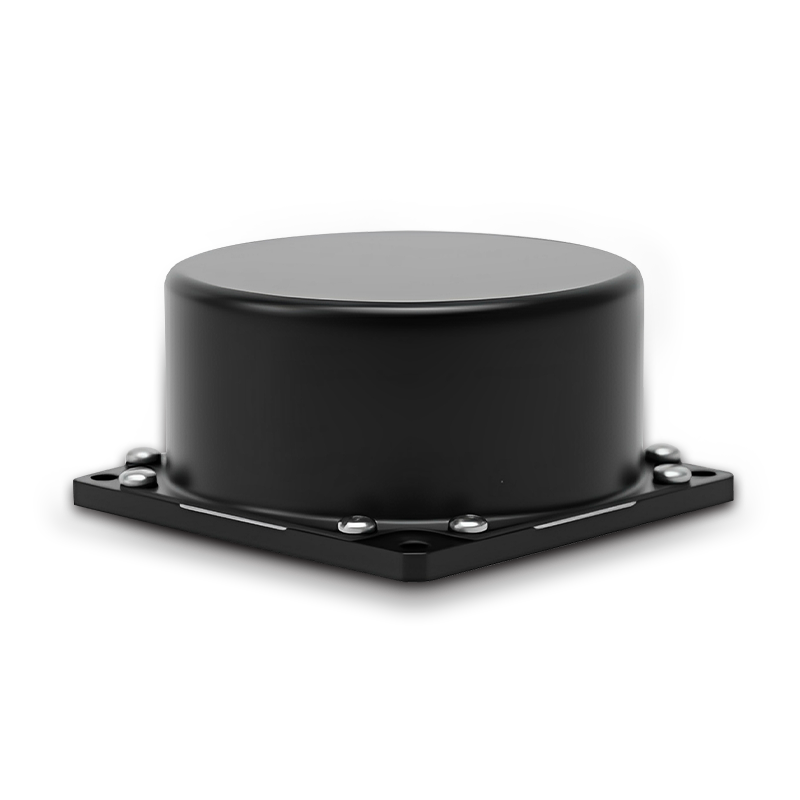 BSD60
BSD60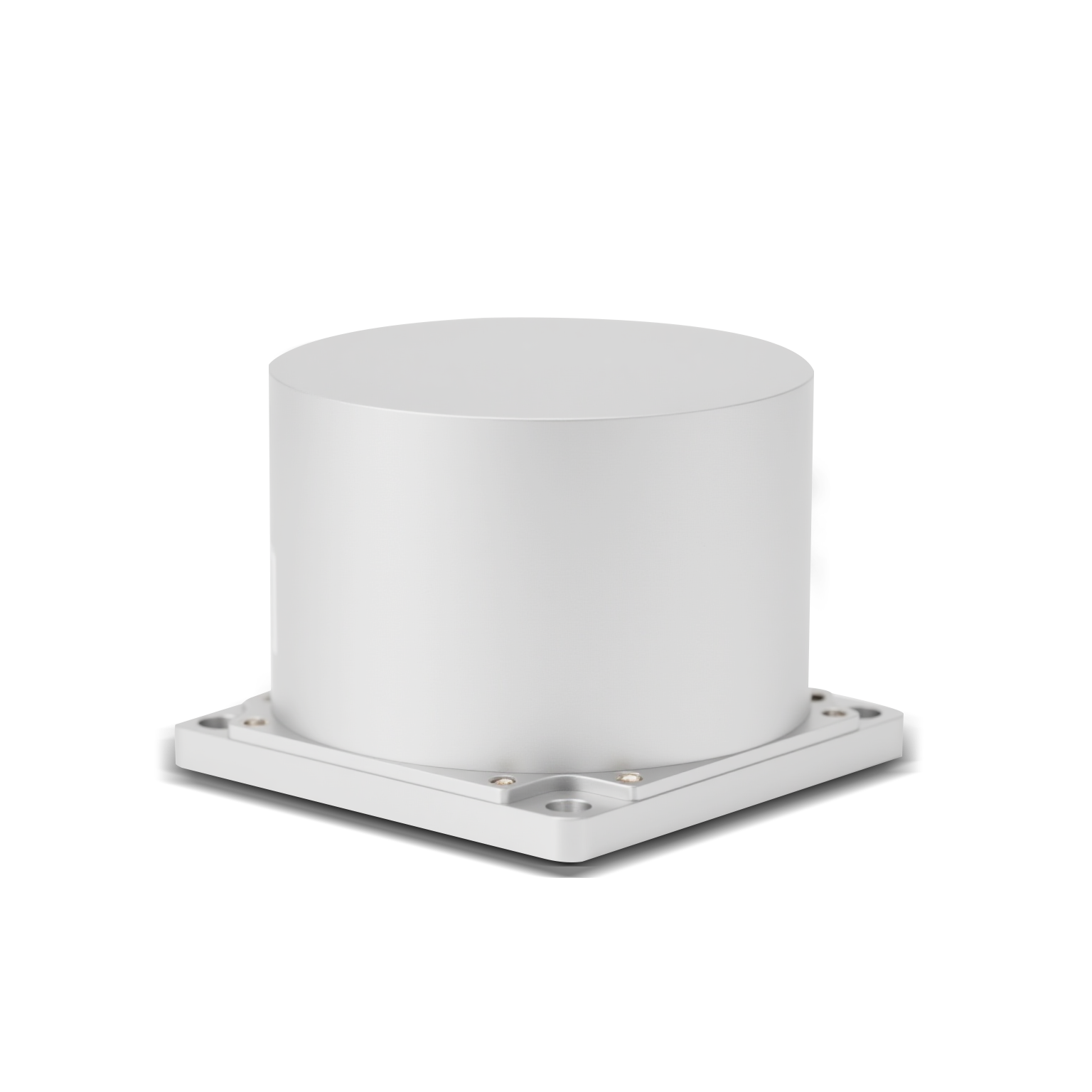 BSD50
BSD50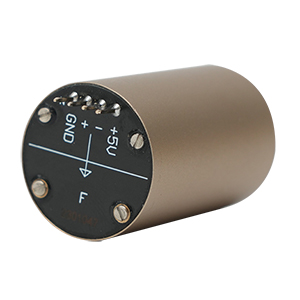 BSD217
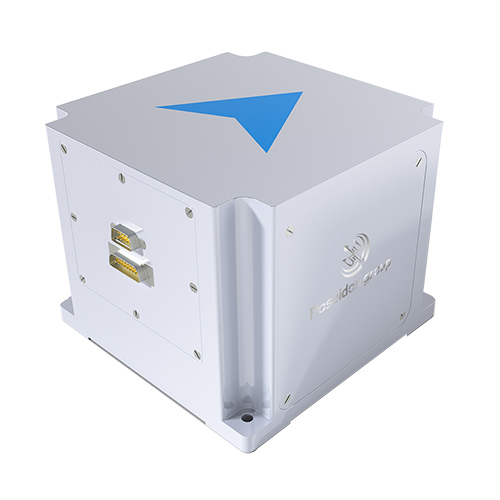 INS1700
 INS970
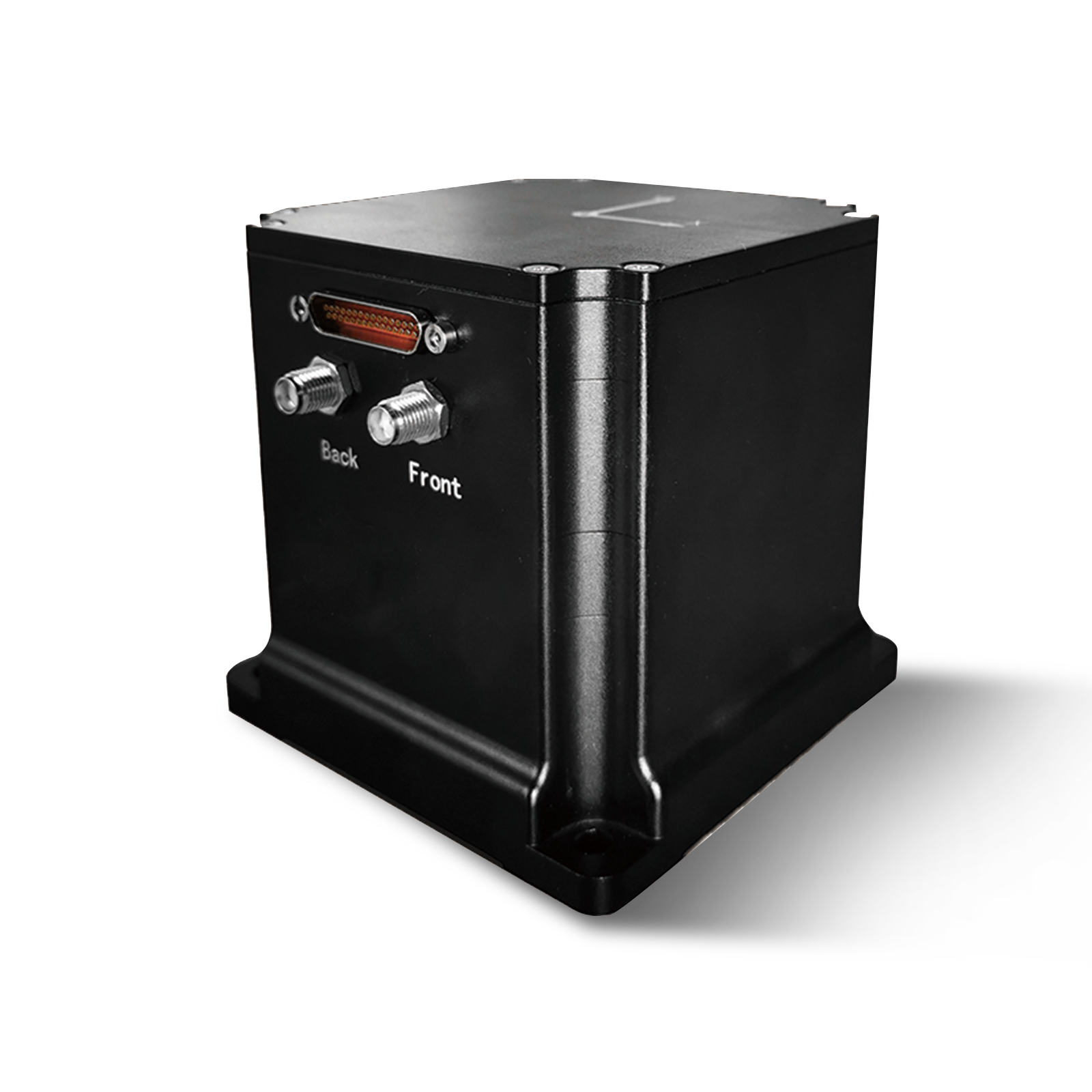 INS570
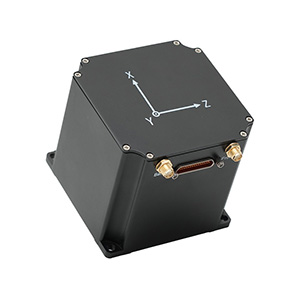 INS170
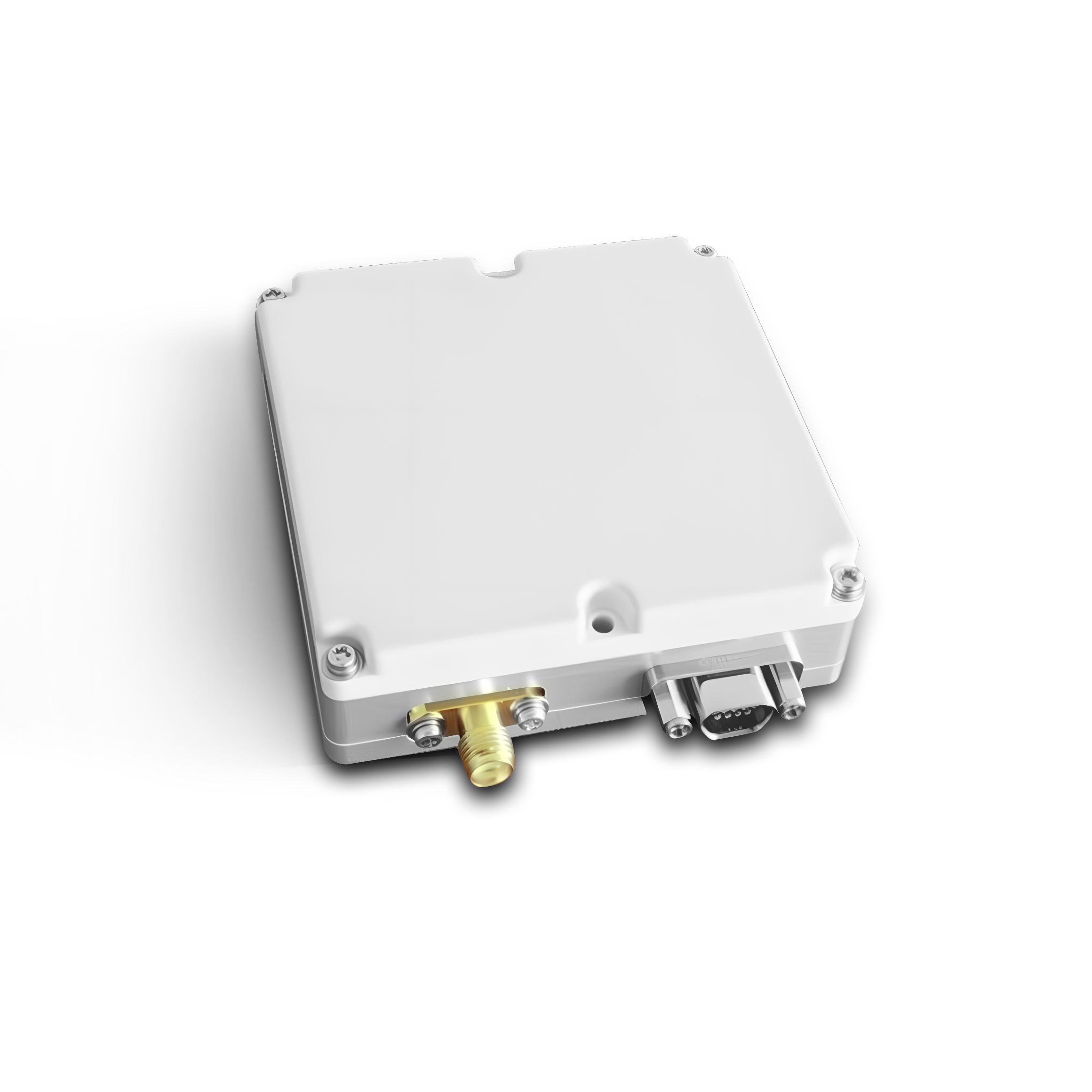 SLA-4B1L1-65
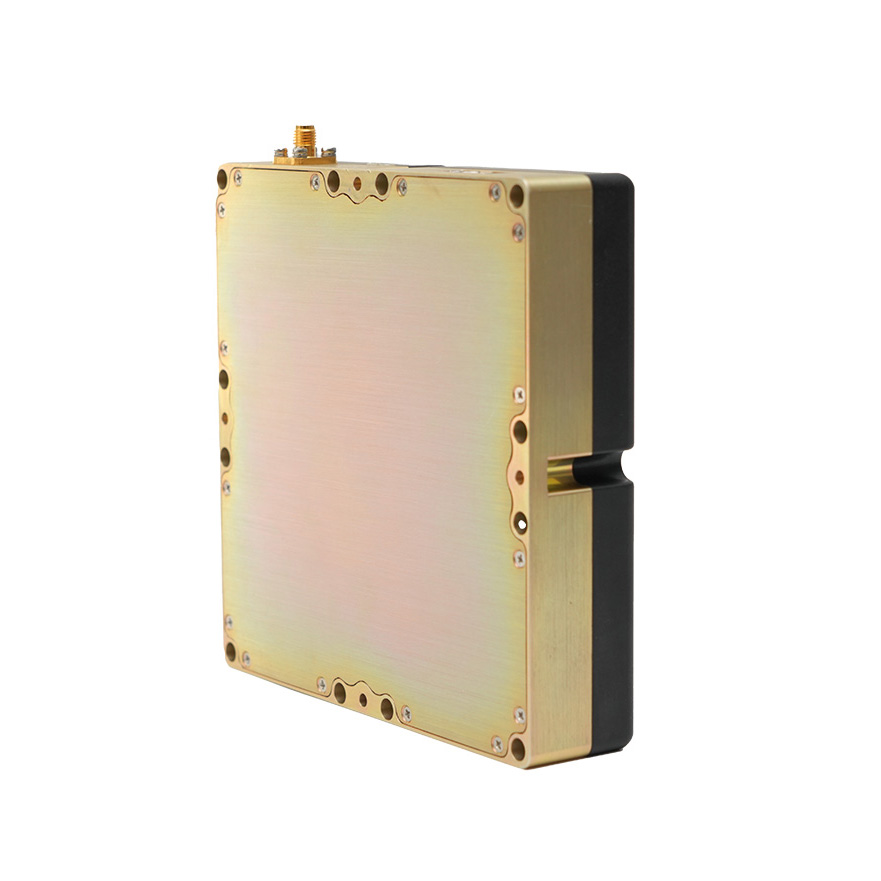 SLA-4B1L1-130
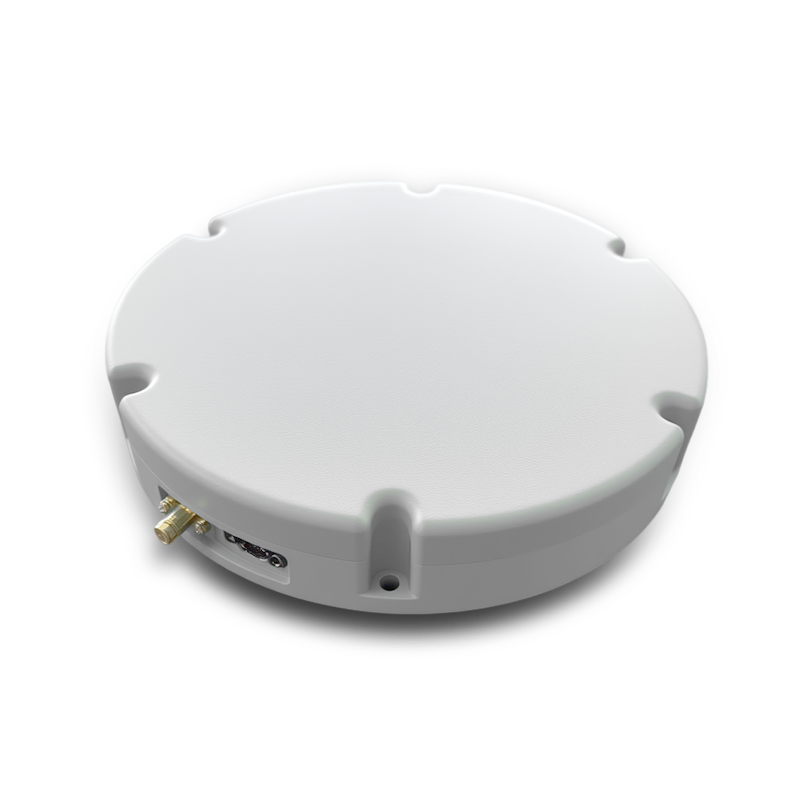 SLA-8B1L1-165
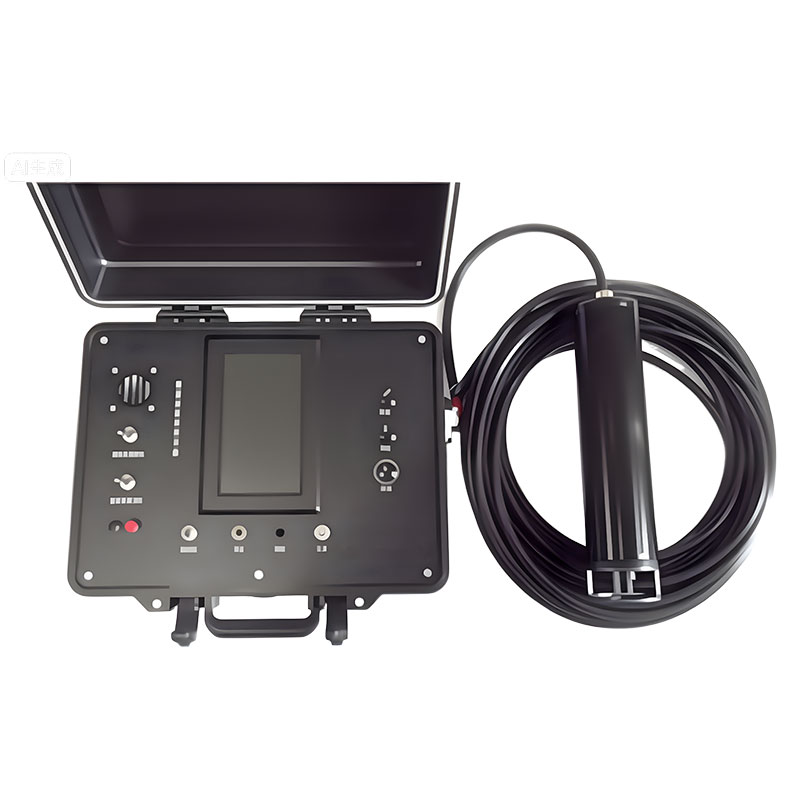 DIVER 101
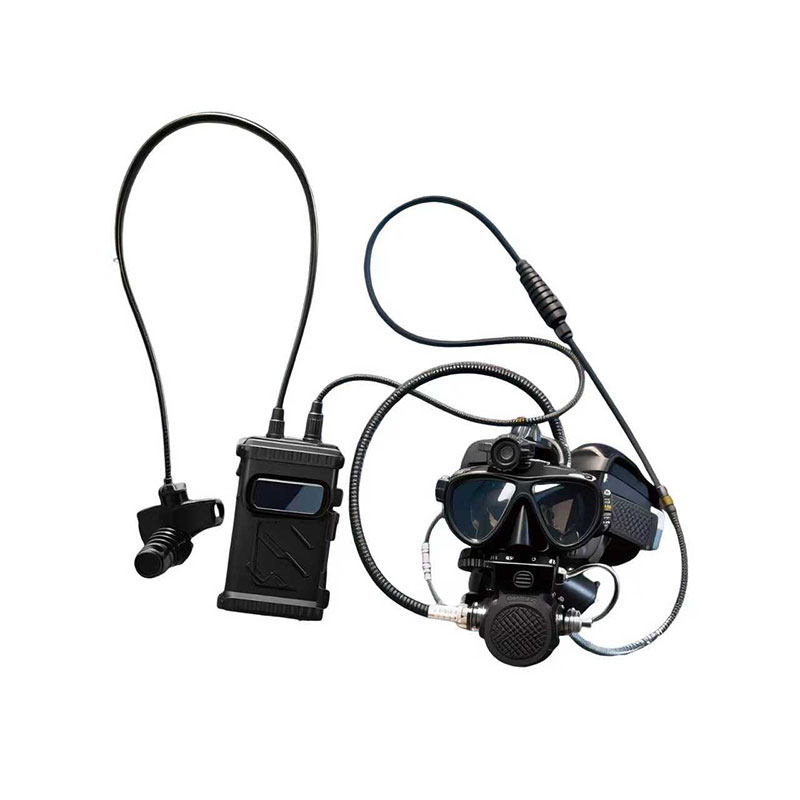 DIVER 102
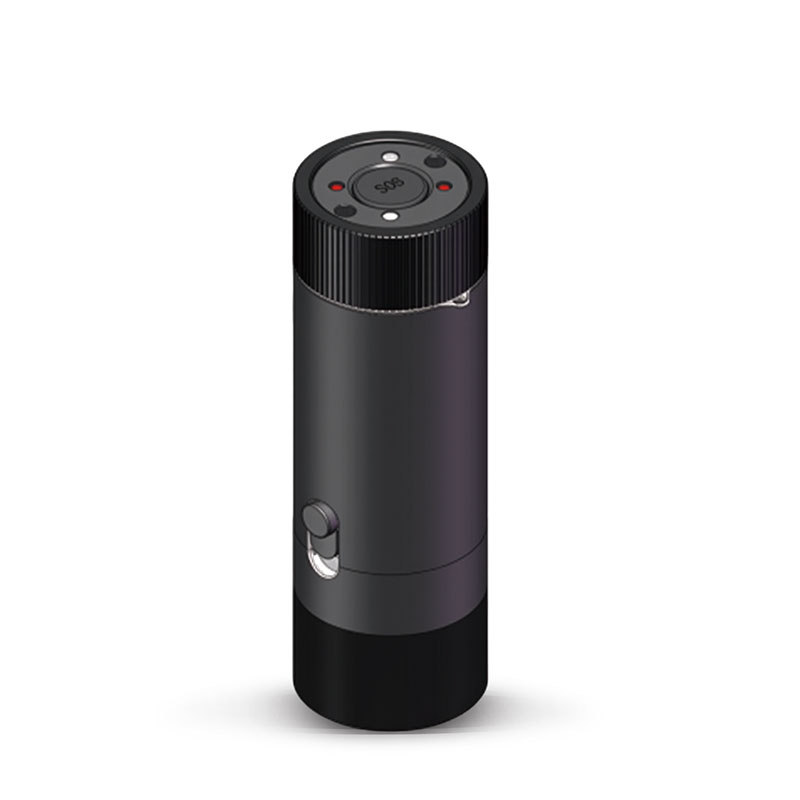 DIVER 103
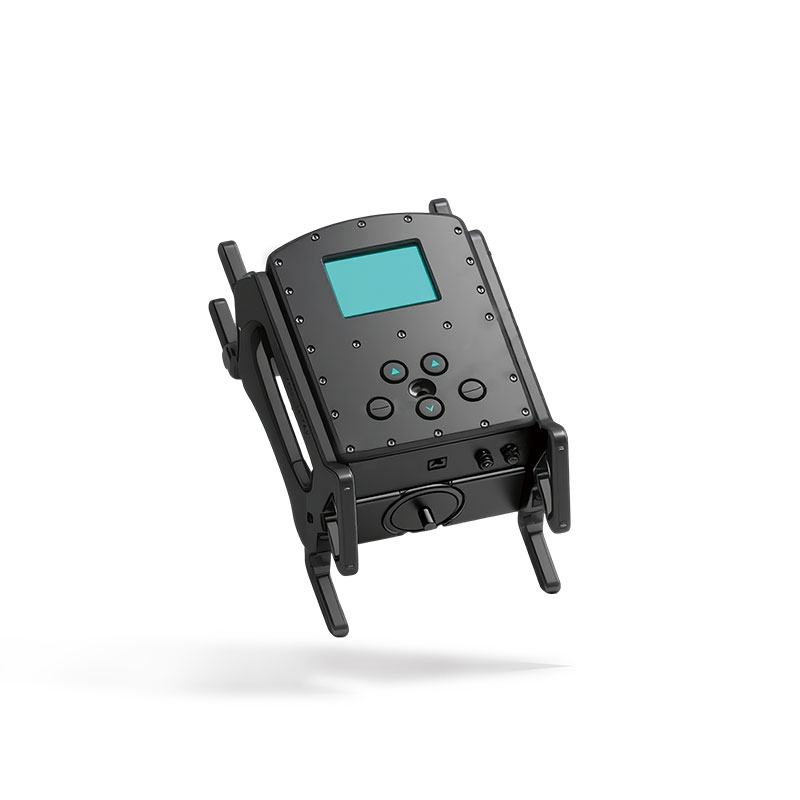 DIVER 104
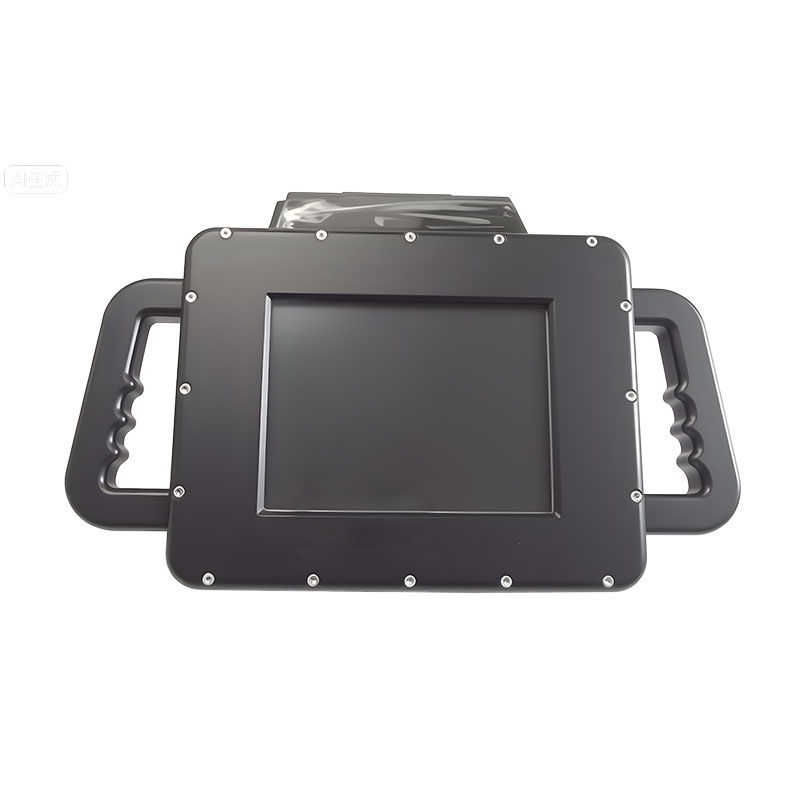 DIVER 105
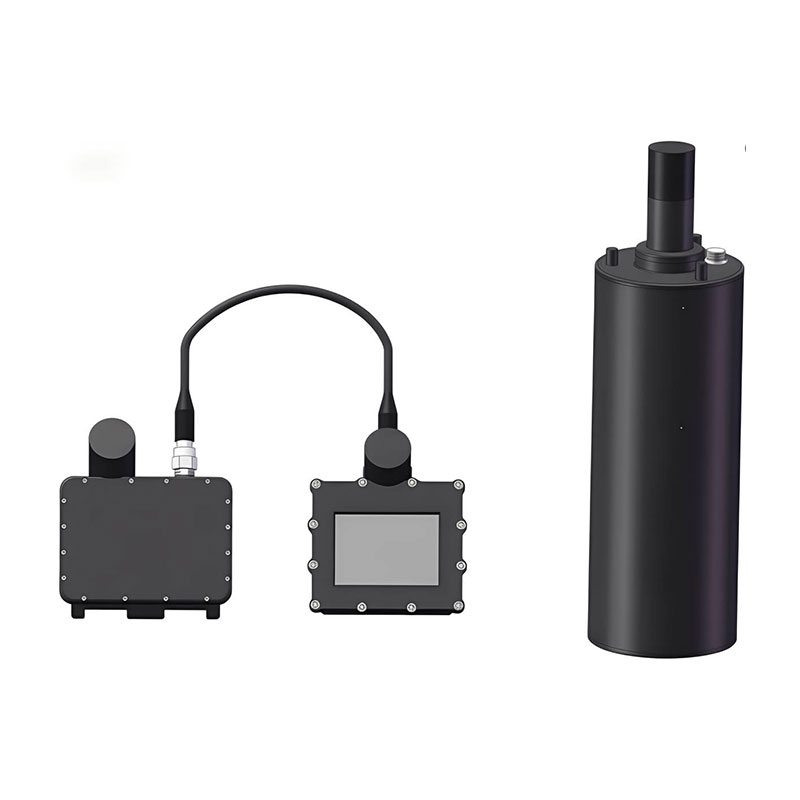 DIVER 106
 SLLR3000
 SLLR905
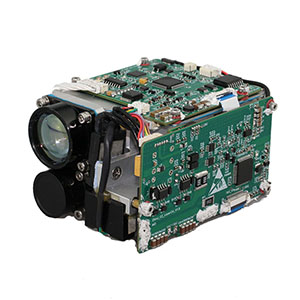 SLLD25
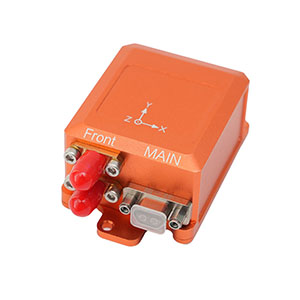 160M
160M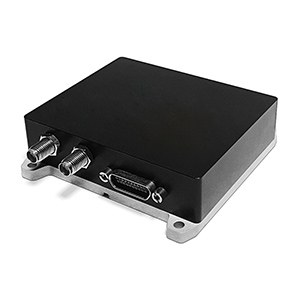 170M
170M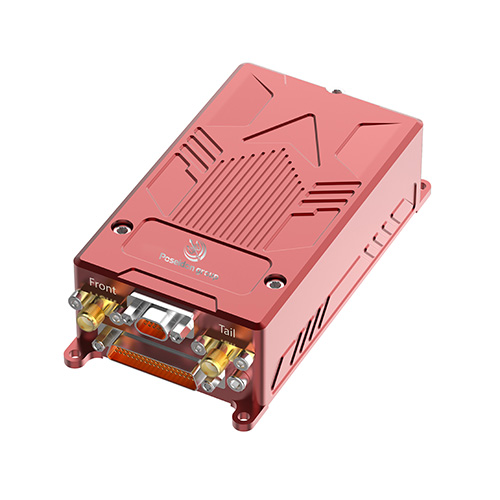 SLFC-70
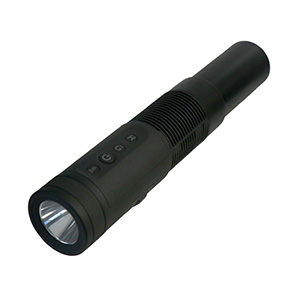 SLAF280
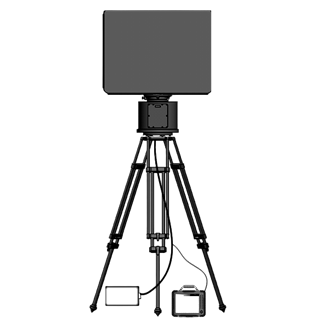 MR360
MR360