In today’s world, where getting navigation just right is more important than ever for all kinds of applications, it’s exciting to see how new tech keeps pushing the boundaries. One of the coolest advancements right now is the development of Air Data Inertial Reference Systems, or ADIRS for short. These systems could totally change the game by combining air data with inertial principles—kind of like giving navigation a major upgrade. Since it started back in 2013, Poseidon International Group in Hong Kong has really been pushing the envelope when it comes to next-level navigation tech. They’ve got serious expertise in fiber optic gyroscopes (FOG) and inertial navigation systems (INS), which makes them pretty unique in this fast-moving field. The company’s all-in on independent research, holding multiple patents, and they're really committed to making ADIRS better—improving accuracy and reliability for things like autonomous driving and attitude control. In the coming years, these systems are set to play a huge role in shaping how we navigate, and this post will dive into what the future holds for this technology and why ADIRS might be a real game-changer.

Overview of Navigation Technologies in Modern Systems
You know, the leaps we've seen in navigation tech have really changed the game for modern systems—especially when it comes to global satellite navigation. For example, China's BeiDou-3 satellite network just finished up, and honestly, it's a total game-changer. It’s making our positioning way more accurate and reliable. Plus, this progress isn’t happening in a vacuum—it's opening doors for better integration with low-earth orbit communication systems, which could seriously boost navigation services across different fields.
Looking ahead, technologies like Air Data Inertial Reference Systems are pretty exciting, especially when you think about how they might work alongside AI-driven systems. The military stuff is a good example; the push for autonomous navigation has really ramped up because of recent conflicts. It’s clear that we need systems that can operate without relying solely on traditional GPS—and that’s a big shift in how we approach navigation.
Oh, and by the way, if you’re curious about what’s next, keep an eye on things like augmented reality (AR). It’s already starting to make navigation more immersive and fun. And don’t forget, these kinds of tech aren’t just for civilians—they’re used in military operations too, so understanding both sides can give you a pretty good idea of where all this is headed.
Introduction to Air Data Inertial Reference Systems (ADIRS)
Air Data Inertial Reference Systems, or ADIRS for short, are a pretty big step forward in navigation tech. Basically, they combine air data measurements with inertial navigation, which is kinda like giving a vehicle or aircraft a super accurate sense of where it is and which way it’s heading. This is especially important in really critical applications—think aerospace or autonomous vehicles—where precision and trustworthiness are a must. ADIRS use cutting-edge fiber optic gyroscopes (FOG) and inertial navigation systems (INS) to keep track of position and orientation with incredible accuracy. That’s a game changer when GPS signals aren’t reliable or just plain missing, like in some remote or challenging environments.
Here at Poseidon International Group in Hong Kong, we got our start back in 2013, and we’ve been all about pushing the boundaries of these important technologies. Our team specializes in designing and manufacturing inertial navigation systems and autonomous driving tech. We even hold a few patents to our name, which shows we’re serious about what we do. Our focus on ADIRS is driven by a simple goal: making navigation safer and more efficient across different industries. And honestly, we believe that’s helping pave the way for smarter, more advanced autonomous solutions down the line.

Key Components and Functionality of ADIRS
You know, the Air Data Inertial Reference System, or ADIRS for short, is pretty much a game-changer when it comes to navigation tech on airplanes. It’s like the brain behind the scenes, making sure everything's accurate and running smoothly. Basically, it combines air data—think of it as the plane’s airspeed and altitude info—with inertial measurements that help pilots keep track of their position and movement. So, when a pilot looks at their instruments, they’re getting real-time, reliable info about their course and speed.
I recently came across a report by MarketsandMarkets that says the whole aviation sensors market, which includes ADIRS, is set to grow from about $3.5 billion in 2021 to around $5.5 billion by 2026—pretty impressive, huh? That’s a steady rise at about 9.2% each year.
Now, the core parts of the ADIRS include things like the air data computer—this measures things like pressure, which helps figure out true airspeed—and inertial measurement units, or IMUs. These units use accelerometers and gyroscopes to keep track of how the plane’s moving and changing orientation. When all these pieces work together, it gives pilots a better sense of where they are and what's happening around them. This not only makes flying safer but also more efficient.
And get this—tech is advancing even further. Future updates might see ADIRS syncing with satellite navigation or even AI, which could take navigation to a whole new level of accuracy and smartness. It’s pretty exciting to think about what’s coming next in aviation tech, isn’t it?
Applications of ADIRS in Aviation and Beyond
You know, the uses of Air Data Inertial Reference Systems (ADIRS) go way beyond just flying planes. They’re actually changing the game in all sorts of fields with their super accurate navigation. In the world of aviation, ADIRS is pretty much essential — providing pilots and systems with precise info on altitude, speed, and orientation. That’s what keeps flights safe and running smoothly. It also beefs up autopilot performance, making takeoff, cruising, and landing feel way more seamless. Plus, it helps save fuel by plotting smarter flight paths.
But it doesn’t stop there. These days, ADIRS is making its way into autonomous cars, shipping, and even mobile gadgets. For example, in the car world, adding ADIRS can really beef up self-driving cars’ navigation, helping them to operate more accurately and reliably, even in tricky real-world situations. On the water, ADIRS can help ships navigate through complicated waterways more safely and efficiently. As industries keep exploring what ADIRS can do, we’re bound to see even cooler innovations that make navigation tech even more precise and trustworthy across lots of different fields.
Exploring the Future of Navigation Technology with Air Data Inertial Reference Systems - Applications of ADIRS in Aviation and Beyond
| Application Area |
Purpose |
Benefits |
Technologies Used |
| Aviation |
Flight Navigation and Control |
Increased safety, precise navigation |
GPS, AHRS, Pitot-Static Systems |
| Maritime |
Ship Navigation |
Enhanced route planning and safety |
INS, GPS, ECDIS |
| Automotive |
Advanced Driver Assistance Systems |
Improved safety and efficiency |
GNSS, IMU, LiDAR |
| Robotics |
Autonomous Navigation |
Higher autonomy in navigation |
IMU, SLAM, GPS |
| Unmanned Aerial Vehicles (UAVs) |
Surveillance and Data Collection |
Real-time data collection, flexible operations |
RTK GPS, IMU, Barometer |
Future Trends in Navigation Technology and ADIRS Development
So, the world of navigation tech is really on the brink of a major shake-up, especially with how Air Data Inertial Reference Systems (ADIRS) are progressing. The global satellite navigation market is set to grow like crazy—going from about $301 billion in 2024 to over $703 billion by 2032, can you believe it? That kind of boom means big things for ADIRS tech. We're talking about better accuracy, more reliable systems, and smoother integration with cutting-edge stuff like AI and the Internet of Things (IoT). All this is pretty much going to change how navigation works across different fields—think aviation, shipping, and even self-driving cars.
Over in China, the space industry is booming in ways we haven't seen before, thanks to supportive policies and innovation pushing things forward. The car navigation market there is also growing pretty steadily, with more vehicles getting GPS and electronic maps installed all the time. It’s pretty clear that there's a real push to get better at navigation and also work together with other countries in this space. As new innovations roll out, incorporating ADIRS into this mix will probably boost navigation accuracy big time, making a real difference both in civilian life and in military stuff too.
Challenges and Opportunities in Advancing ADIRS Technologies
When it comes to Air Data Inertial Reference Systems (ADIRS), there's a lot going on — both challenges and exciting opportunities. As everyone wants navigation to be more precise and dependable, especially in fields like aviation and autonomous tech, the industry’s got its work cut out for it. Integrating different techs and making sure everything works in real-time is no small feat. That’s why top-notch inertial navigation systems, like those from specialized companies, play such a crucial role in boosting performance and trustworthiness.
On top of that, recent breakthroughs in additive manufacturing (or 3D printing, if you wanna keep it casual) are really pushing things forward when it comes to making navigation parts. By tapping into these cutting-edge manufacturing methods, companies are finding ways to improve how these critical systems are designed and built. All these advancements — combining new tech and innovative production — could lead to smaller, more efficient, and tougher ADIRS. That’s a big win for safer, more reliable navigation, whether in airplanes, driverless cars, or other autonomous gadgets.
Future of Navigation Technology: ADIRS Advancements
This chart represents the projected advancements in various dimensions of Air Data Inertial Reference Systems (ADIRS) technology over the next decade, highlighting key areas such as accuracy, reliability, cost, and integration capabilities.
Enhancing Marine Operations: Leveraging DIVER 101 for Improved Communication and Positioning in Vessel Navigation Systems
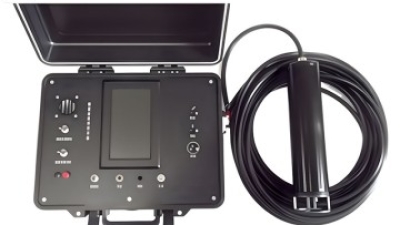
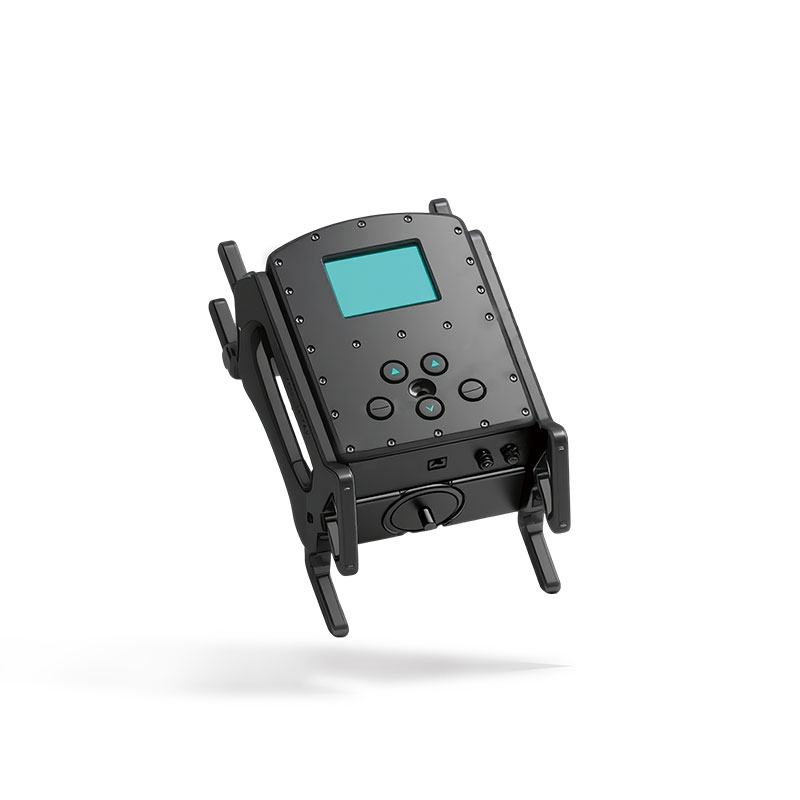
The need for effective communication and positioning in marine operations is more crucial than ever, particularly as underwater missions become increasingly complex. DIVER 101 stands out as a revolutionary tool designed specifically for these challenges, bridging the gap between divers, command vessels, and team members. By providing real-time location data, DIVER 101 facilitates seamless coordination during missions, which is essential for ensuring personnel safety and operational efficiency.
In the ever-evolving landscape of aquatic exploration and operations, having a reliable command hub is vital. DIVER 101 serves this purpose, acting as the core system that enhances communication between all parties involved in underwater activities. The technology enables teams to maintain awareness of each member's positioning, which is critical in mitigating risks and promoting successful outcomes in amphibious operations. As marine missions grow in complexity, integrating DIVER 101 into vessel navigation systems is not just beneficial; it is imperative for the future of underwater exploration.
FAQS
ir Data Inertial Reference Systems (ADIRS)?
ADIRS utilize advanced fiber optic gyroscopes (FOG) and inertial navigation systems (INS) to track position and orientation accurately, particularly in environments where GPS signals may be weak or unavailable.
Poseidon International Group specializes in the independent research and development of navigation technologies, particularly ADIRS, to improve safety and efficiency in various sectors.
The global satellite navigation system market is anticipated to grow from $301.37 billion in 2024 to $703.21 billion by 2032.
Enhanced accuracy and reliability, along with integration with technologies such as artificial intelligence and the Internet of Things (IoT), will redefine navigation functions across various sectors.
The commercial space sector in China is growing rapidly due to policy support and technological innovation, leading to an increased installation of navigation systems utilizing GPS and electronic mapping.
ADIRS are critical because they maintain high navigation accuracy and reliability in challenging environments where traditional GPS may not function optimally.
The integration of ADIRS is expected to enhance navigational precision significantly in both civilian and military applications, spanning various sectors including aviation, maritime, and autonomous vehicles.
Their focus on independent research and development, combined with their multiple technical patents in inertial navigation and autonomous systems, positions them at the forefront of navigation technology innovation.
Conclusion
So, I recently read this article called "Exploring the Future of Navigation Technology with Air Data Inertial Reference Systems." Honestly, it dives into how navigation tech is evolving these days, and it really highlights how important Air Data Inertial Reference Systems (or ADIRS, for short) are becoming. The author starts off by giving a quick rundown of what's happening with current navigation systems—kind of like setting the stage—and then introduces ADIRS as this super important breakthrough that kicks up both accuracy and dependability, especially in aviation stuff. They talk about what makes up ADIRS and how it works, stressing just how crucial these systems are when it comes to getting precise navigation results.
But it doesn’t stop there. The article also gets into what’s coming next—future trends and potential upgrades for ADIRS. It points out some of the hurdles, but also the cool opportunities for what’s to come. Oh, and they mention businesses like Poseidon International Group out of Hong Kong; these guys are pushing the envelope with advanced navigation tech, like inertial systems and fiber optic gyroscopes, keeping them right at the cutting edge of the game. It’s pretty fascinating stuff, honestly.

 TBSD60
 BSD120
 BSD98
BSD98 BSD70
BSD70 BSD60
BSD60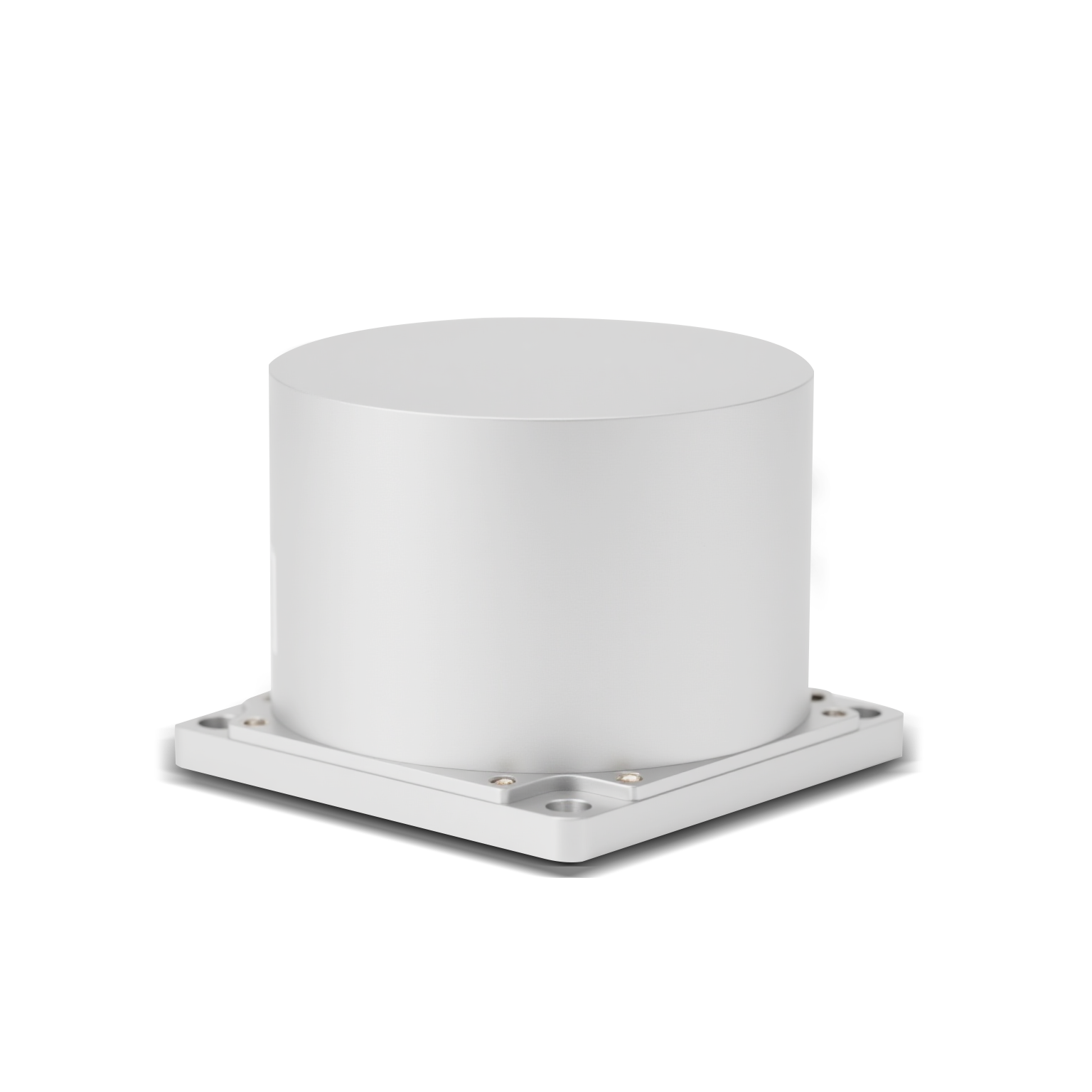 BSD50
BSD50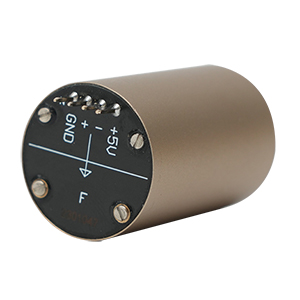 BSD217
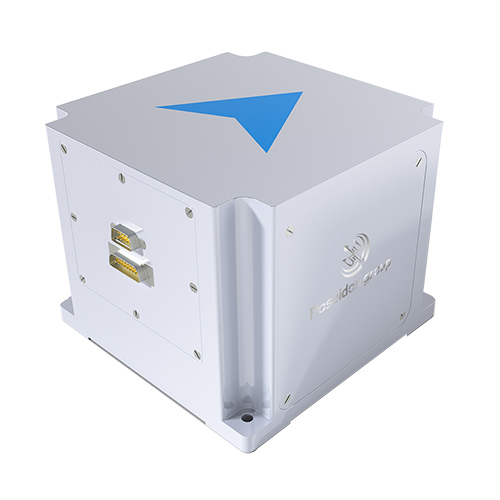 INS1700
 INS970
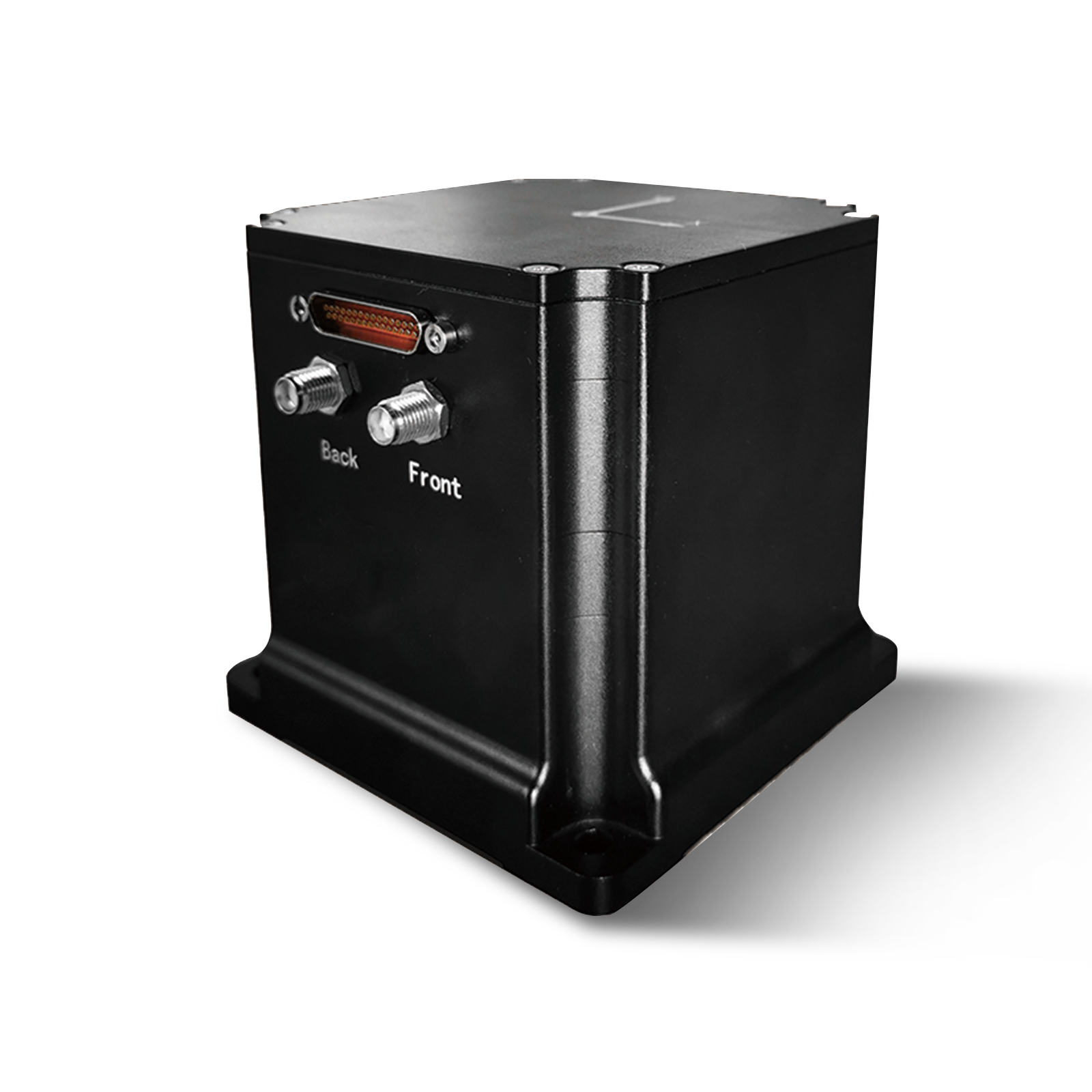 INS570
 INS170
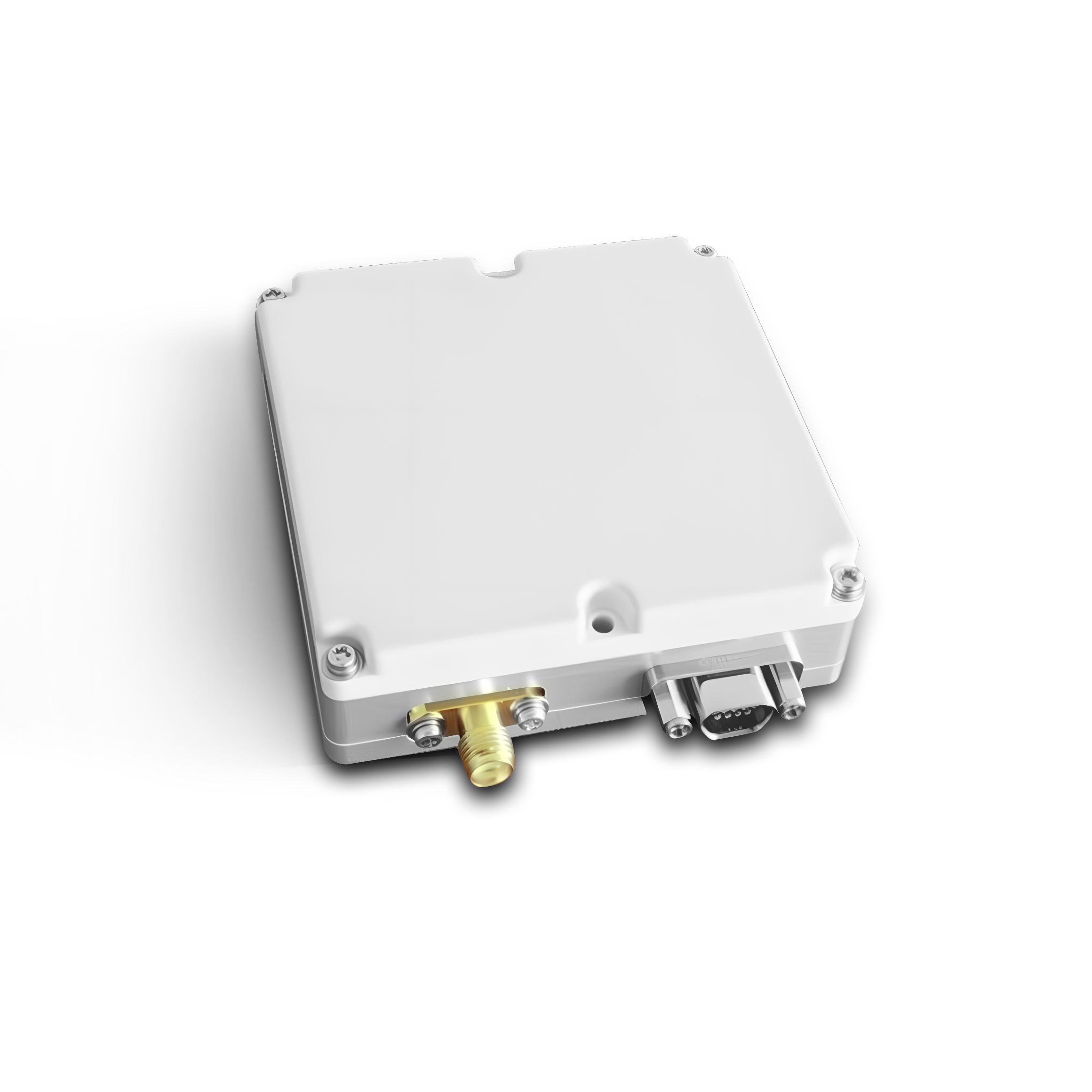 SLA-4B1L1-65
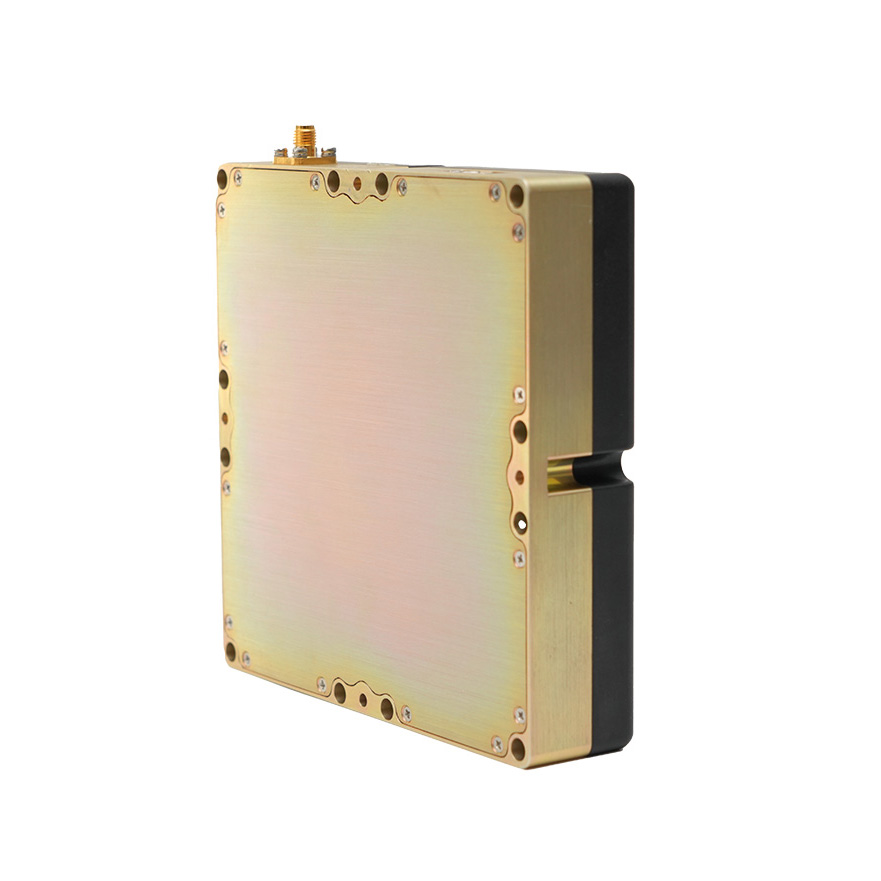 SLA-4B1L1-130
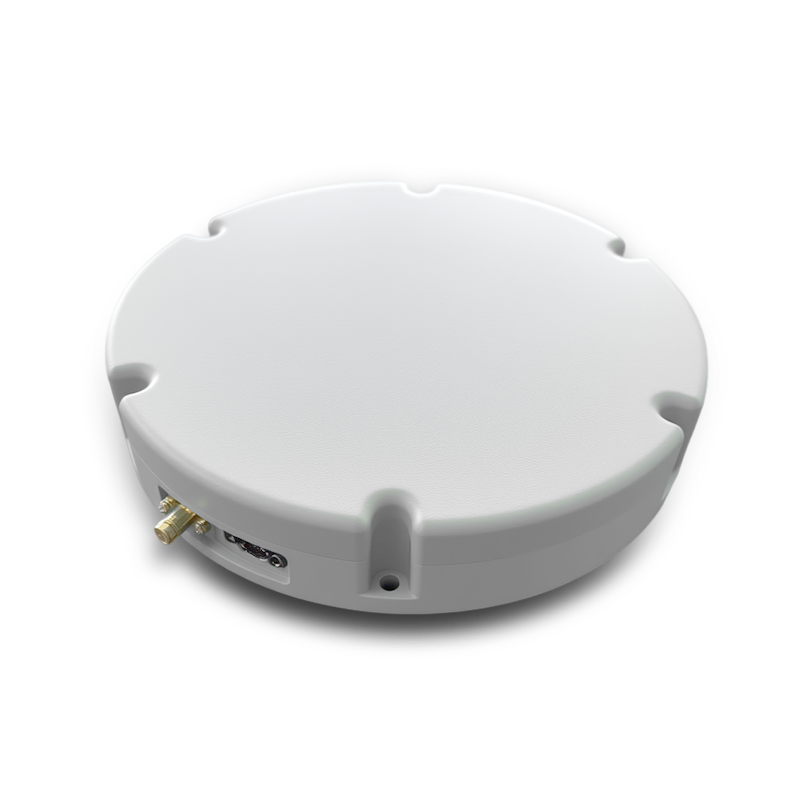 SLA-8B1L1-165
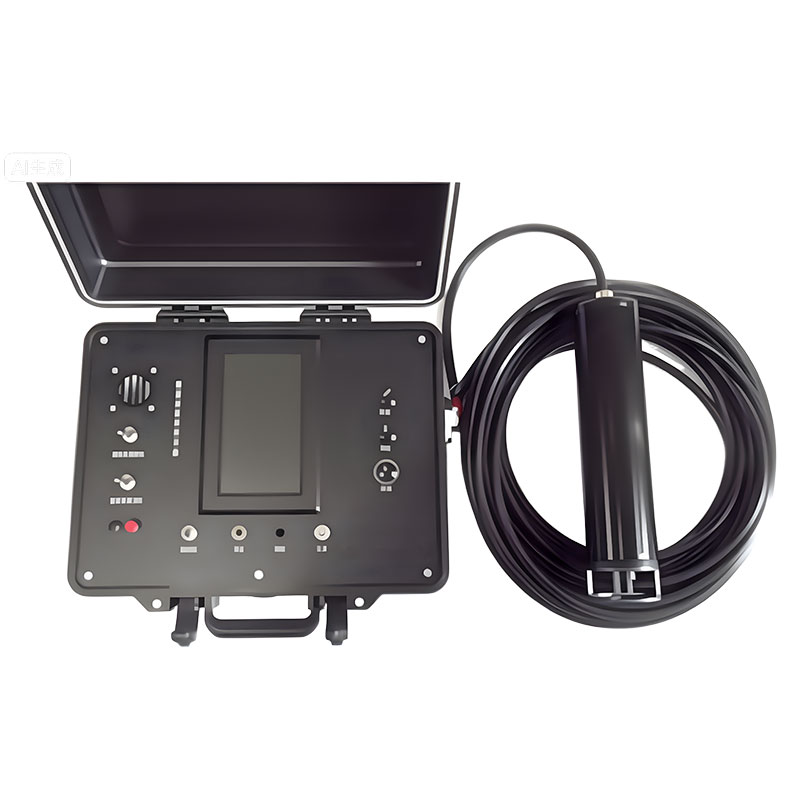 DIVER 101
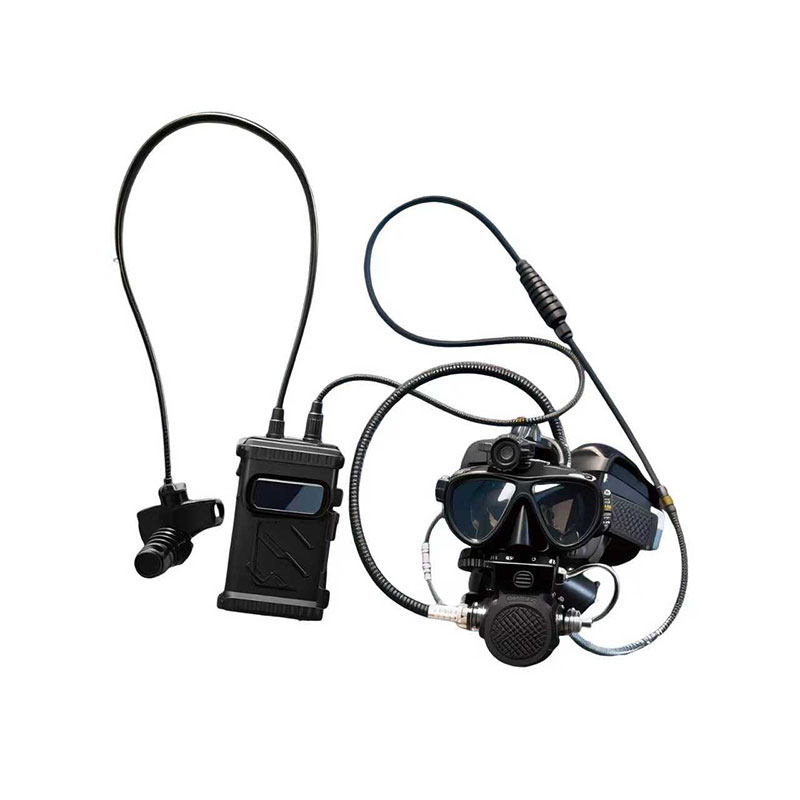 DIVER 102
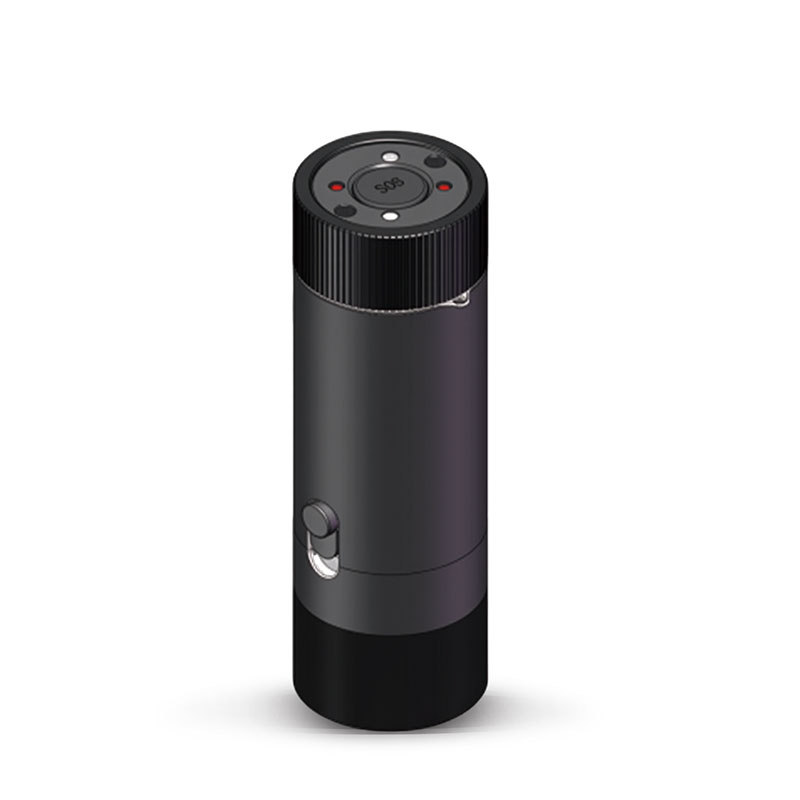 DIVER 103
 DIVER 104
 DIVER 105
 DIVER 106
 SLLR3000
 SLLR905
 SLLD25
 160M
160M 170M
170M SLFC-70
 SLAF280
 MR360
MR360