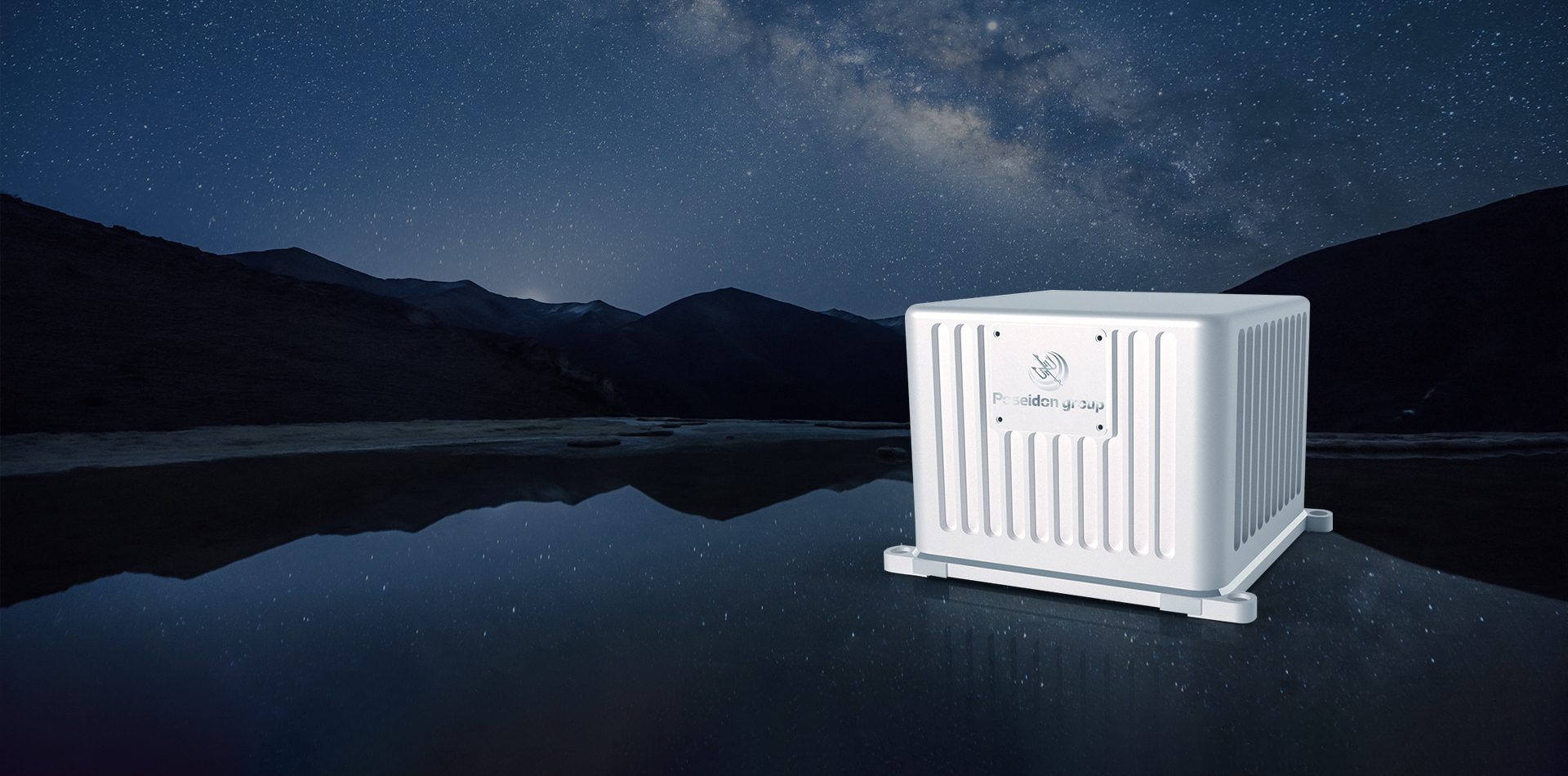
 You know, in today's fast-paced world of technology, having reliable navigation systems is super important. They're used in all sorts of areas, from self-driving cars to aerospace. That's where the Magnetometer Gyro Compass comes in—it's really a game changer! It combines precision and reliability in a way that we haven't seen before. At Poseidon International Group (Hong Kong) Limited, which we kicked off back in 2013, we focus on the independent research, design, and production of cutting-edge navigation systems. This includes things like fiber optic gyroscopes (FOG) and inertial navigation systems (INS). We’re all about innovation, and thanks to that, we’ve managed to snag quite a few technical patents! This helps us ensure that we’re delivering top-notch products to our clients around the globe. Our guiding motto is "中国智造,全球热销,品质保证", which really reflects our goal of harnessing the Magnetometer Gyro Compass to make navigation solutions more efficient and safe across different sectors.
Comparison of Performance Metrics: Magnetometer vs. Gyro Compass in Navigation
In the realm of navigation, choosing the right instrument can significantly enhance the accuracy and reliability of positioning systems. Magnetometers and gyro compasses are two primary devices used for this purpose, each offering unique benefits. The magnetometer relies on Earth’s magnetic field, providing bearing data that is instantaneous and straightforward. However, it may struggle in areas with magnetic interference, which can lead to inaccuracies. On the other hand, gyro compasses utilize gyroscopic principles to maintain a steady directional reference, making them ideal for dynamic environments like maritime navigation where stability is crucial.
Tip: When selecting between a magnetometer and a gyro compass, consider the environmental factors that may affect the devices. If operating in areas with known magnetic distortions, a gyro compass may be the more reliable option.
While both devices serve their purpose, understanding their performance metrics can aid in decision-making. Magnetometers may excel in smaller, static applications, where quick adjustments are needed, while gyro compasses shine in larger vessels requiring consistent course tracking over extended periods.
Tip: For applications demanding high precision, integrating both systems can optimize navigation by providing a fallback when one method encounters issues. This hybrid approach often leads to improved overall performance.
Understanding the Accuracy: Key Differentiators of Magnetometer and Gyro Compass
You know, with all the changes happening in the world of navigation tech, it’s super important to really grasp the differences in accuracy between magnetometer and gyro compasses if you want things to run smoothly. The fiber optic gyro market is expected to explode between 2024 and 2031, potentially hitting around $2.7 billion by 2031! A lot of this growth is driven by aerospace, military, and defense needs. These sectors really rely on top-notch navigation systems to boost efficiency and keep those error margins tight, especially when the environment gets tricky.
So, what’s the real deal between magnetometer and gyro compasses? Well, it all comes down to how they work and how accurate they are. Magnetometers depend on the Earth's magnetic field, which can be a bit finicky thanks to a bunch of outside influences. On the flip side, gyro compasses take advantage of rotation and angular momentum. This gives them a leg up in dynamic settings, making them more dependable. For things like self-driving cars and robotics, where every little detail matters, gyro compasses are becoming the go-to choice since they keep their heading stable no matter what’s going on with magnetic stuff.
Here’s a quick tip: When you’re picking a navigation system, think about where you’ll be using it and what you need it for. For example, in military operations, being spot-on despite changing conditions is key, so gyro compasses really shine here. And hey, keep an eye on the latest tech developments in the gyro market—there’s always something new around the corner that could make navigation even better!
Solutions for Optimal Navigation with Best Magnetometer Gyro Compass - Understanding the Accuracy: Key Differentiators of Magnetometer and Gyro Compass
| Feature |
Magnetometer Compass |
Gyro Compass |
| Accuracy |
±1° |
±0.5° |
| Cost |
Low |
High |
| Power Requirement |
Low |
Moderate |
| Response Time |
Fast |
Moderate |
| Calibration Needs |
Regular |
Minimal |
| Environmental Sensitivity |
High |
Low |
Cost Efficiency Analysis: Budgeting for Magnetometer vs. Gyro Compass Solutions
So, when you're thinking about navigation systems, one of the big things to keep in mind is how much bang for your buck you’re getting with magnetometers and gyro compasses. Generally speaking, magnetometers are usually easier on the wallet right off the bat, and they can be super accurate in all sorts of environments. But, here's the catch: they can get a bit messed up if there are nearby magnetic fields, which means you might end up spending more later on for calibration or some kind of compensation setups. On the flip side, while gyro compasses might seem pricier, they really shine in fast-moving or tricky situations and they don’t get thrown off by external magnetic interference as easily. So, if you can nail down what you specifically need for your navigation, you'll make way better financial choices.
A little tip: Don’t forget to think about the long-term costs when you’re budgeting. Sometimes a cheaper system could turn out to be more of a headache and cost you more in the long run with upkeep.
Also, it’s super important to look at the total cost of ownership, not just the sticker price. You should think about how tricky the installation is, whether your team will need training, and how long you expect these devices to last. Taking this all into account will definitely help you use your resources better and make sure your investment really matches up with what you want to achieve.
Another tip: Always chat with some experts before you dive in. They can give you the lowdown on what’s going to fit your needs best and help you spot any costs you might not have thought about right away.
Environmental Impact: How Magnetometers and Gyro Compasses Perform in Varied Conditions
Hey there! So, when you're looking at how
magnetometer gyro compasses perform, it's super important to think about how things like
weather and environment can really mess with their
accuracy and responsiveness. You know, when you're up against crazy stuff like super cold temperatures,
heavy rain, or intense magnetic interference, these gadgets are definitely put to the test.
For instance, in urban settings, magnetometers often have a tough time keeping their cool due to all the magnetic distortion
from buildings and power lines. And let's not forget about gyro compasses—when the sea gets rough, those angular movements
can totally throw off their readings.
Quick tip: Always calibrate your magnetometer in the exact environment you’ll be using it in.
This little step is key to making sure you’re factoring in any magnetic interference, which helps you get way better navigational data.
If you really want to optimize your navigation game, don’t skip out on regular maintenance and updates
for your systems. For example, keeping your gyro compass leveled and well-serviced can really cut down on errors that come from wear and tear.
Plus, using software that can adapt to real-time changes in the environment is a smart move
to boost navigation reliability.
Another tip: Think about using dual sensors—like pairing magnetometers
with gyro compasses. That way, if one system hits a snag, you have a backup, which can really enhance your overall navigational accuracy.
User Experience: Navigational Ease with Magnetometer Compared to Gyro Compass Systems
You know, getting around these days is a breeze, all thanks to technology taking huge leaps forward. There's been a lot of talk lately about the pros and cons of magnetometers versus gyro compasses, especially as more people want to make their navigation experience better. Magnetometers are super lightweight and straightforward, making them perfect for those who just need something simple to point them in the right direction. On the flip side, you've got gyro compasses that really shine when it comes to precision and keeping steady, especially in tough spots. Figuring out what both systems bring to the table can really help you pick the right gadget for your navigation needs.
If you're keen on stepping up your navigation game, here are a few handy tips. First off, think about how you usually use your device. If you’re looking for quick and easy direction, a magnetometer could be just the ticket. But if you need spot-on accuracy no matter what the conditions throw at you, then maybe a gyro compass is the way to go. Also, don’t forget to keep an eye on the latest features because a lot of new gadgets come packed with smart navigation options that'll really help you plan your routes better.
And hey, one last thing – always make sure your map software is up to date so you can get the best out of your navigation system. Plenty of companies are offering lifetime free upgrades now, so you can stay in the loop with the freshest info right at your fingertips. With the right tools and a bit of know-how, navigating can really become a smooth ride.
Solutions for Optimal Navigation: Magnetometer vs Gyro Compass User Experience
Future Trends: Innovations Influencing the Selection of Magnetometer or Gyro Compass
You know, in the past few years, the marine navigation world has really taken some big leaps forward. We’re seeing all sorts of innovations changing the way we pick magnetometers and gyro compasses. A report from MarketsandMarkets even suggests that the global marine navigation market could hit a whopping USD 3.5 billion by 2025! That’s mainly thanks to new sensor tech and the growing demand for really accurate navigation solutions.
 One of the coolest trends right now is how artificial intelligence is being integrated with navigation systems. This means we can make real-time adjustments and get a much better grip on our orientation. And let me tell you, this is super important for autonomous vessels, especially since traditional navigation methods sometimes just can’t keep up with the fast-paced action out there on the water.
On top of that, the increasing use of satellite systems like GPS is pushing manufacturers to step up their game with the older magnetometer and gyro compass systems. A study from Grand View Research shows that when you mix inertial navigation with data from magnetometers and gyros, you can improve accuracy by over 30%! As navigation tech gets more advanced, it’s crucial to not just know what these instruments can do now but also how they’ll stack up against future tech. Embracing these innovations is key for operators who want to stay ahead in this ever-changing maritime scene.
FAQS
: Magnetometers are generally more affordable upfront, but their effectiveness can be affected by nearby magnetic fields, leading to potential additional costs for calibration. Gyro compasses are usually more expensive but provide superior performance in dynamic environments.
Magnetometers offer excellent accuracy in various conditions, but their performance can be compromised by magnetic interference. Gyro compasses provide greater precision and stability, especially in challenging environments.
Long-term maintenance costs, potential calibration requirements, installation complexity, training needs, and the devices' expected lifespan should all be considered for a comprehensive budget.
Evaluating the total cost of ownership goes beyond the purchase price, ensuring that you account for all associated expenses over the product's lifetime, which aligns with operational goals.
Users should assess their typical usage scenario to choose between magnetometers and gyro compasses, stay updated on product features, and keep map software updated for optimal functionality.
It's advisable for users to consult with experts who can provide insights into initial and ongoing costs, helping them make informed decisions based on specific needs.
Magnetometers are ideal for casual users seeking simplicity and ease of use, while gyro compasses are better suited for advanced users requiring high accuracy in varied conditions.
Many new navigation devices come with integrated smart navigation functionalities that can enhance route planning and overall user experience.
Keeping map software updated maximizes the potential of navigation systems, ensuring users have access to the latest information and routes.
Magnetometers, while lightweight and simple to use, may need calibration in areas with magnetic interference, which can affect their effectiveness in some situations.

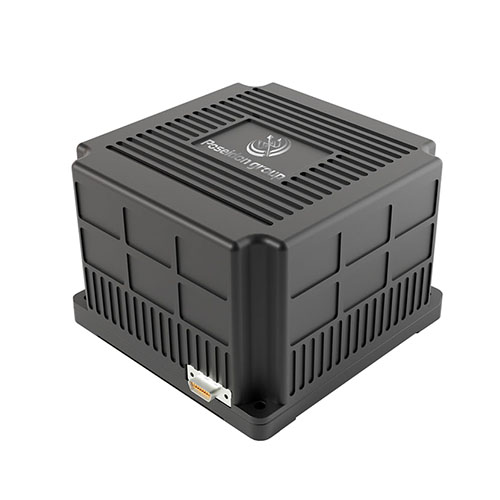 TBSD60
 BSD120
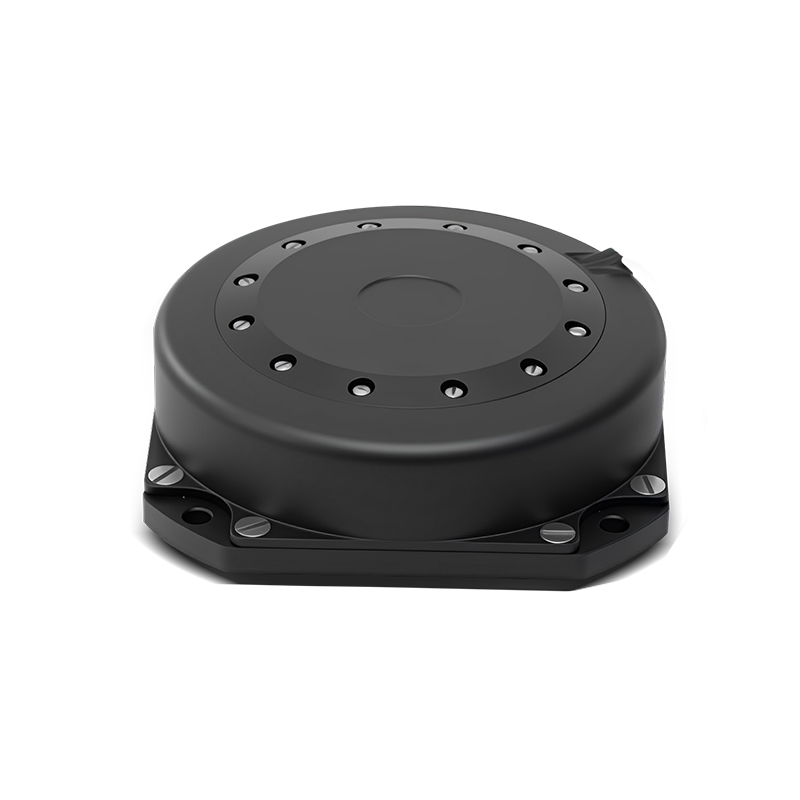 BSD98
BSD98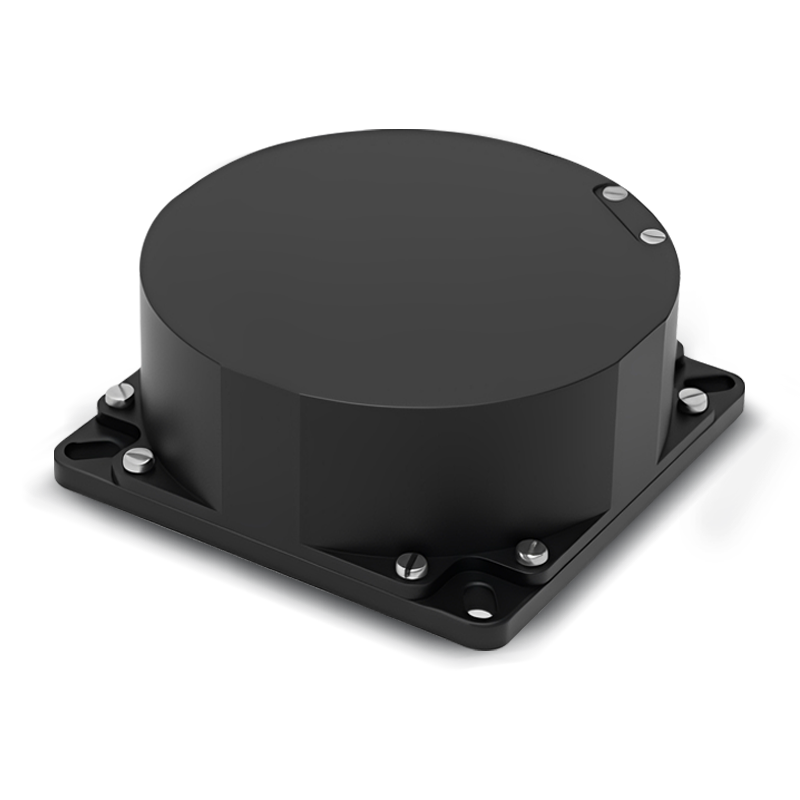 BSD70
BSD70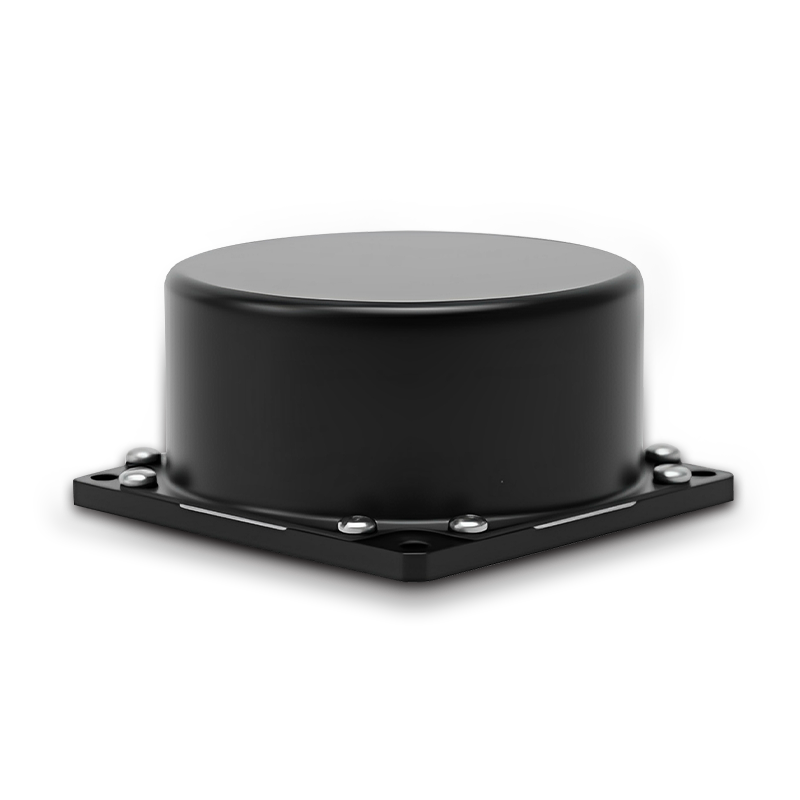 BSD60
BSD60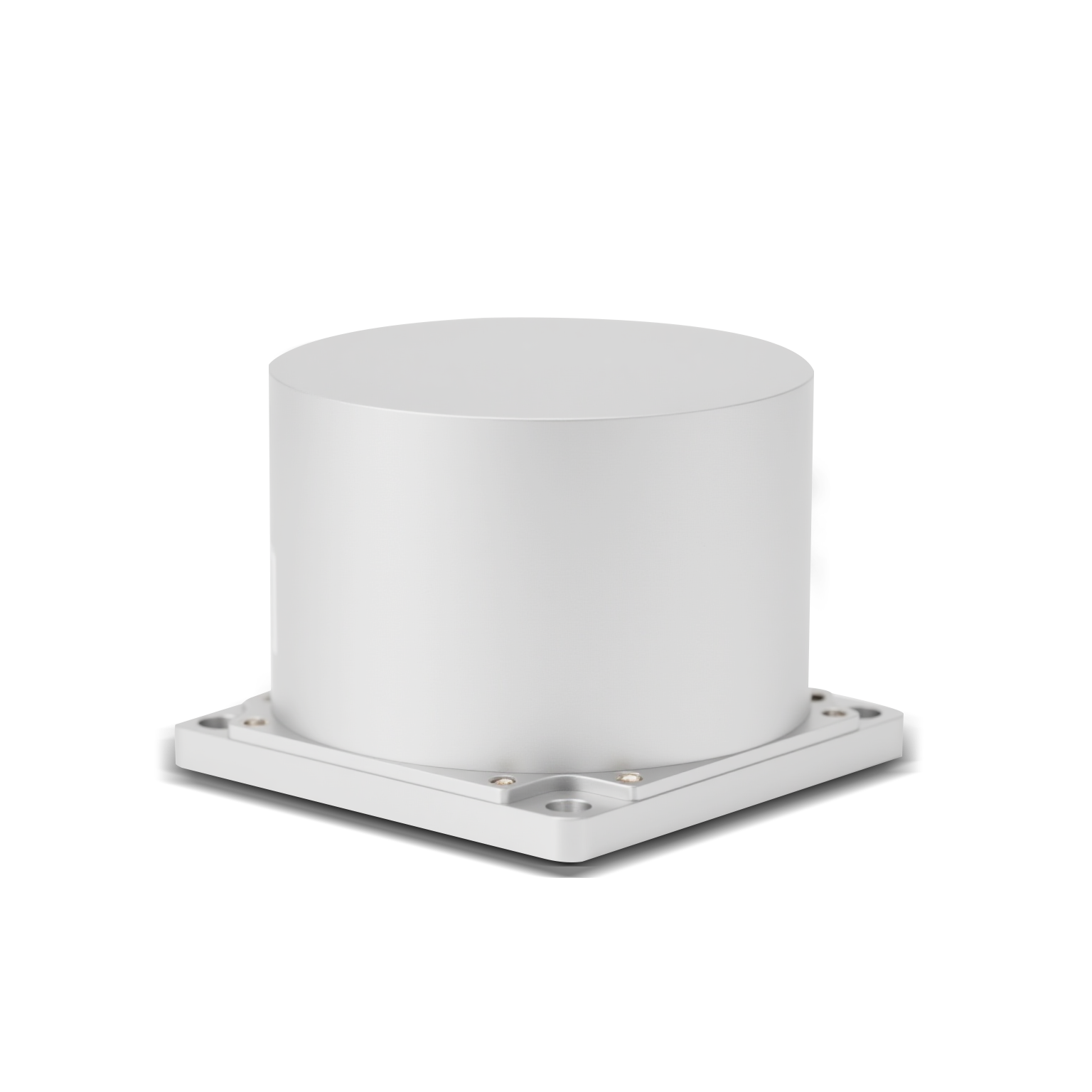 BSD50
BSD50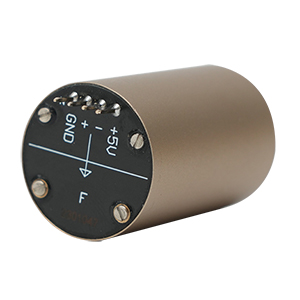 BSD217
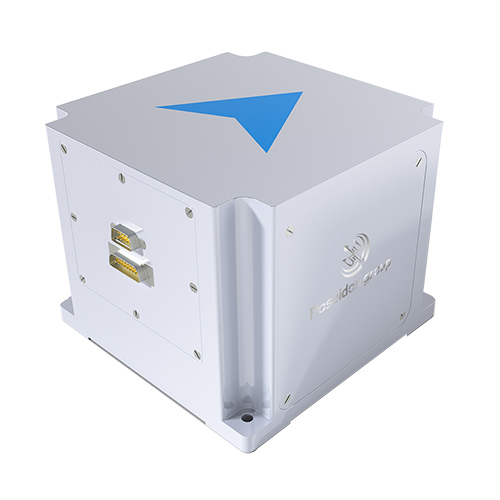 INS1700
 INS970
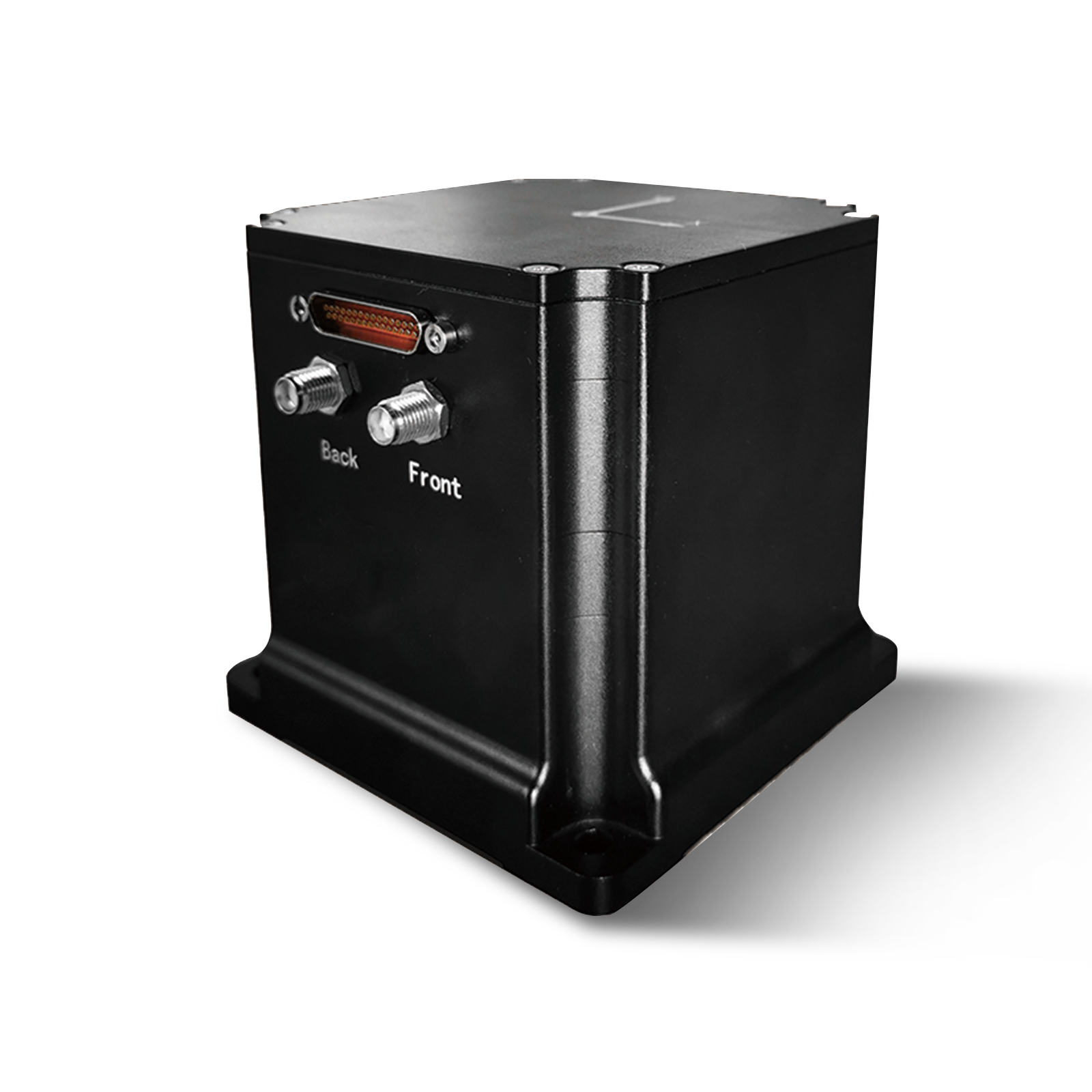 INS570
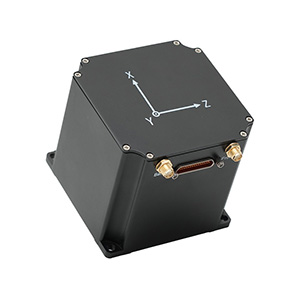 INS170
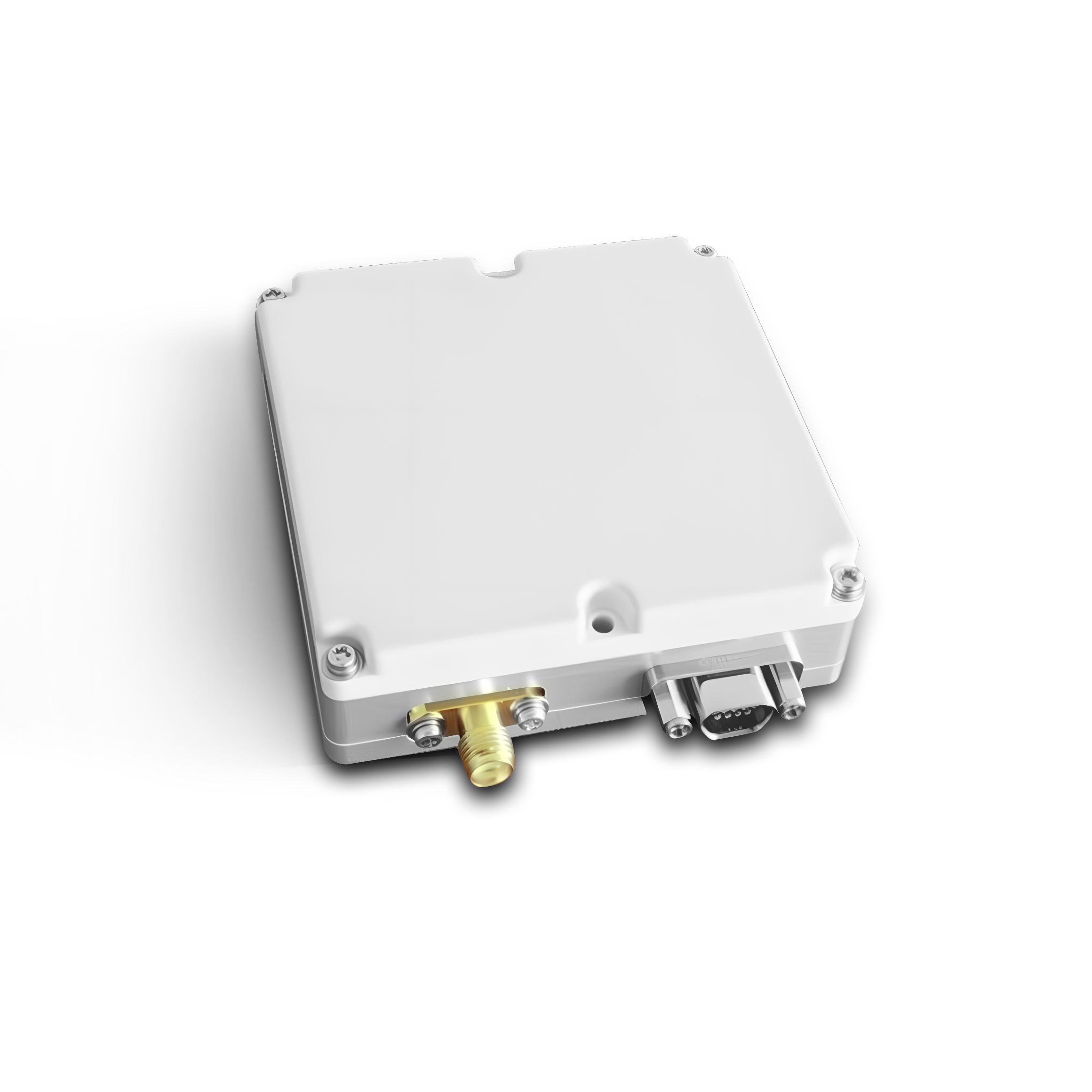 SLA-4B1L1-65
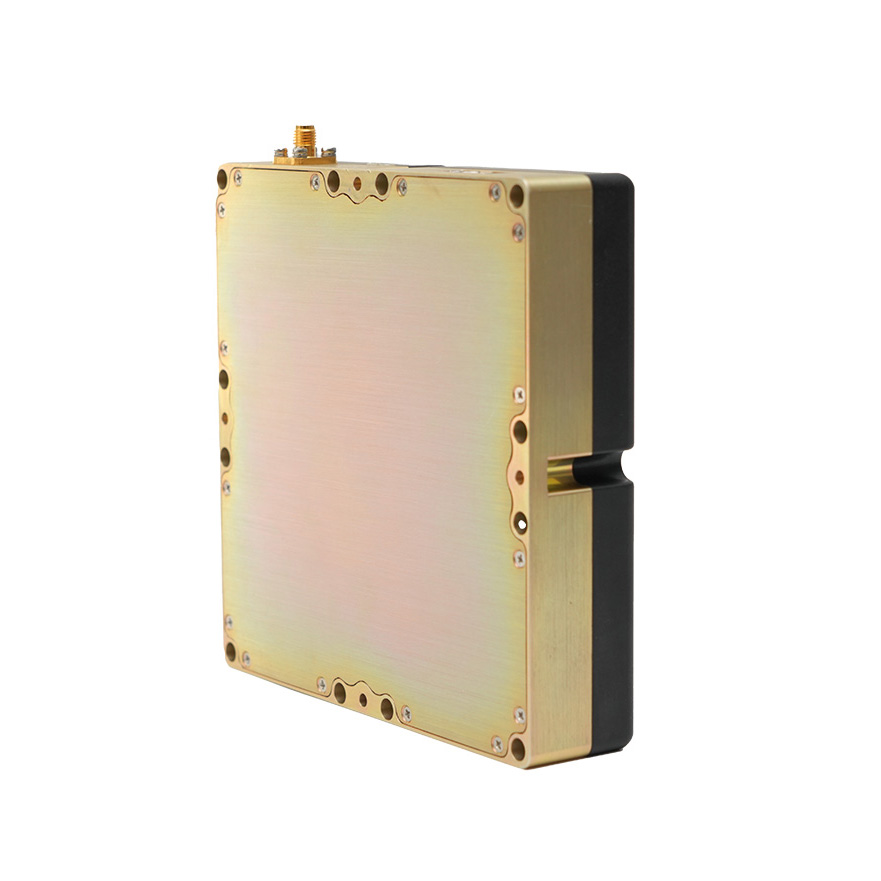 SLA-4B1L1-130
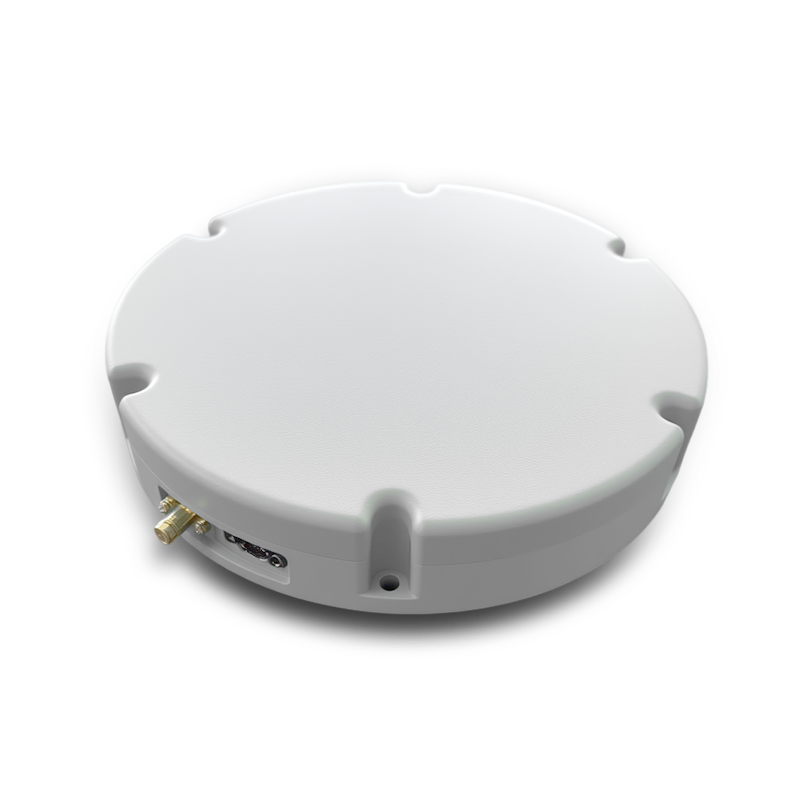 SLA-8B1L1-165
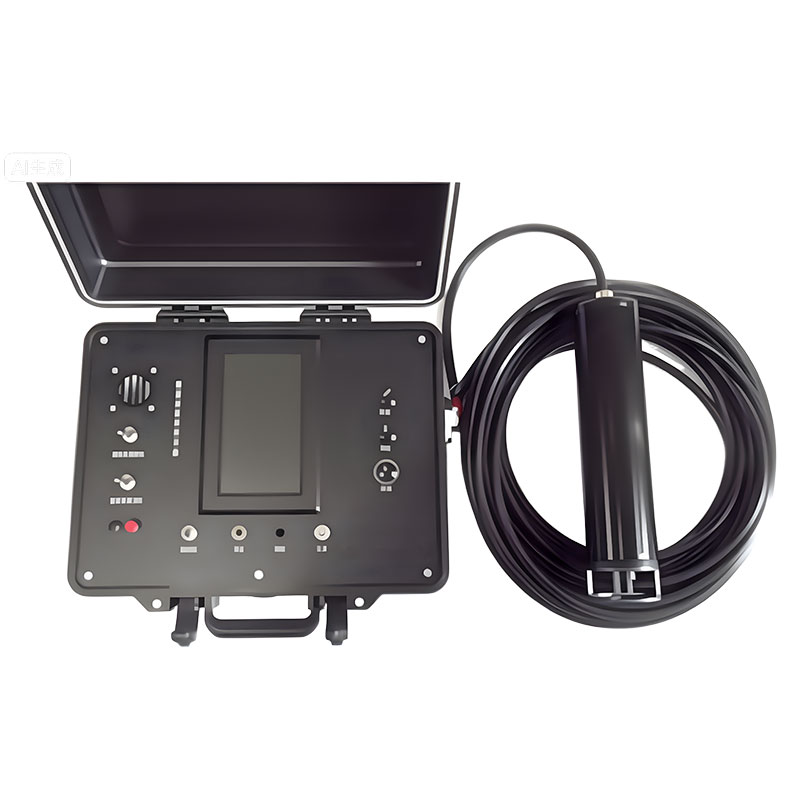 DIVER 101
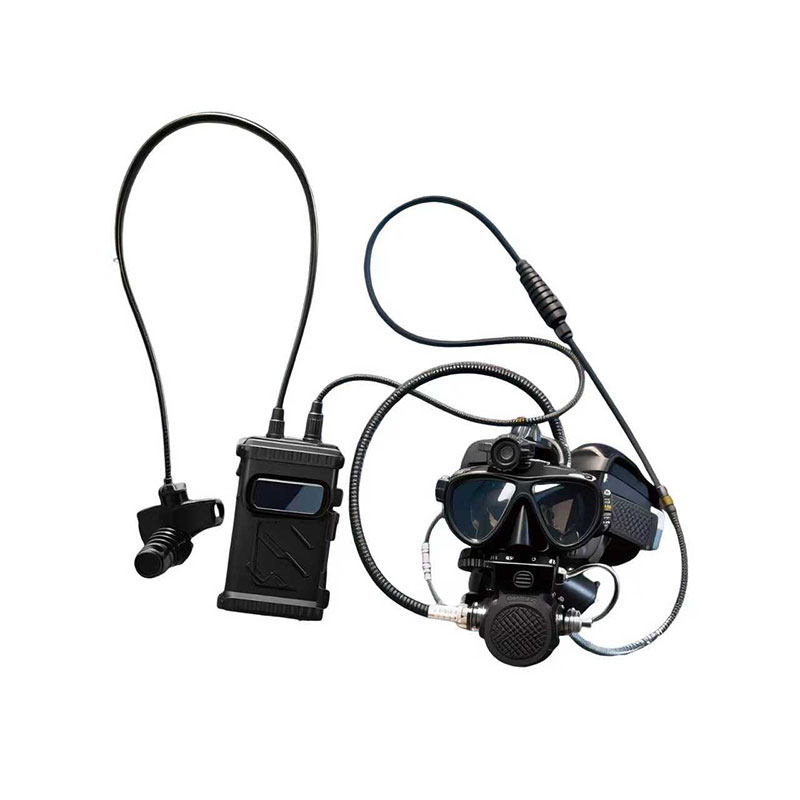 DIVER 102
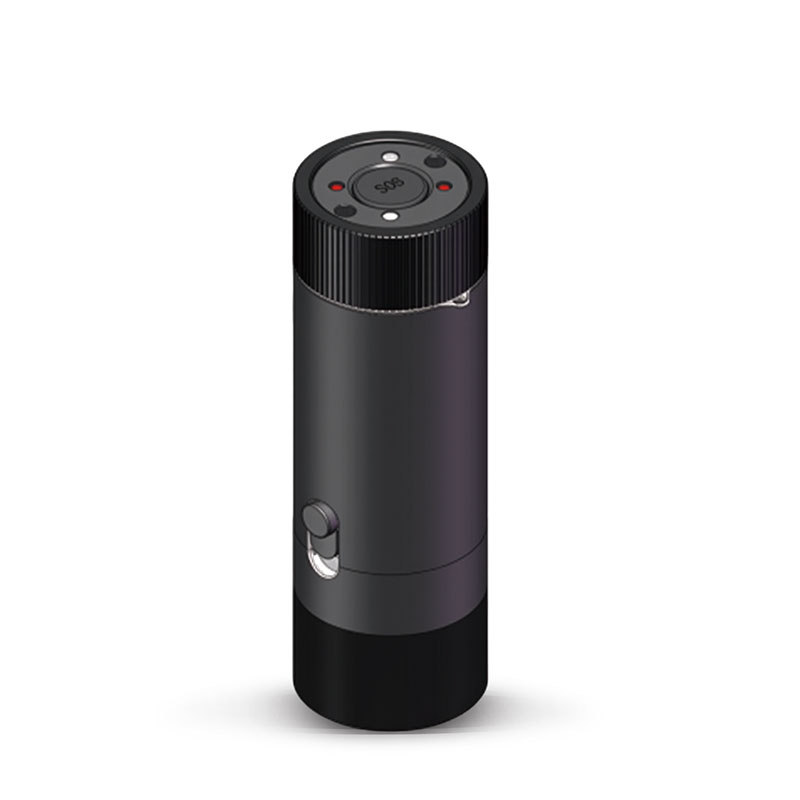 DIVER 103
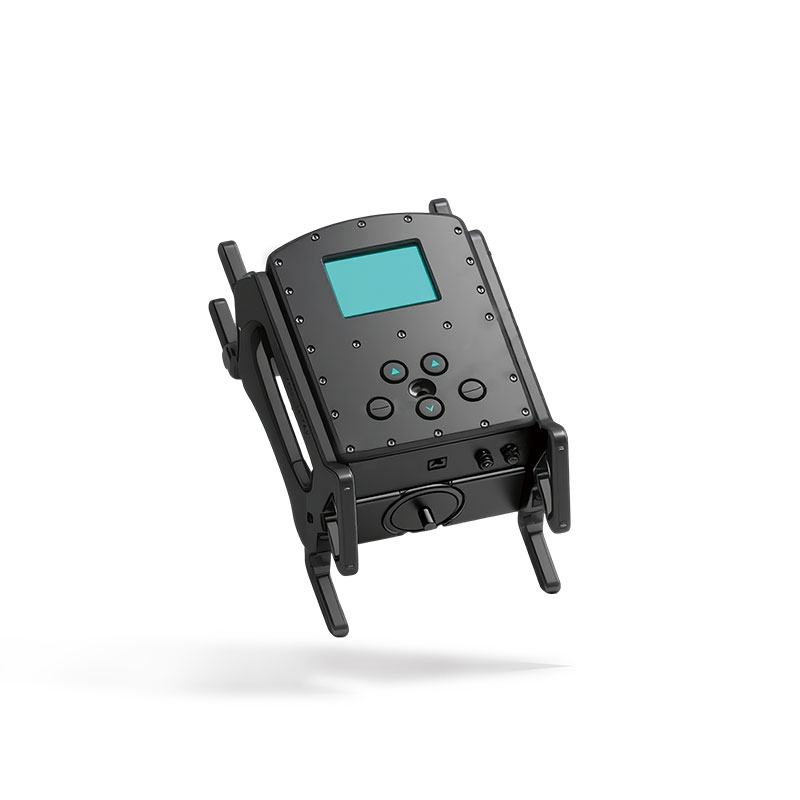 DIVER 104
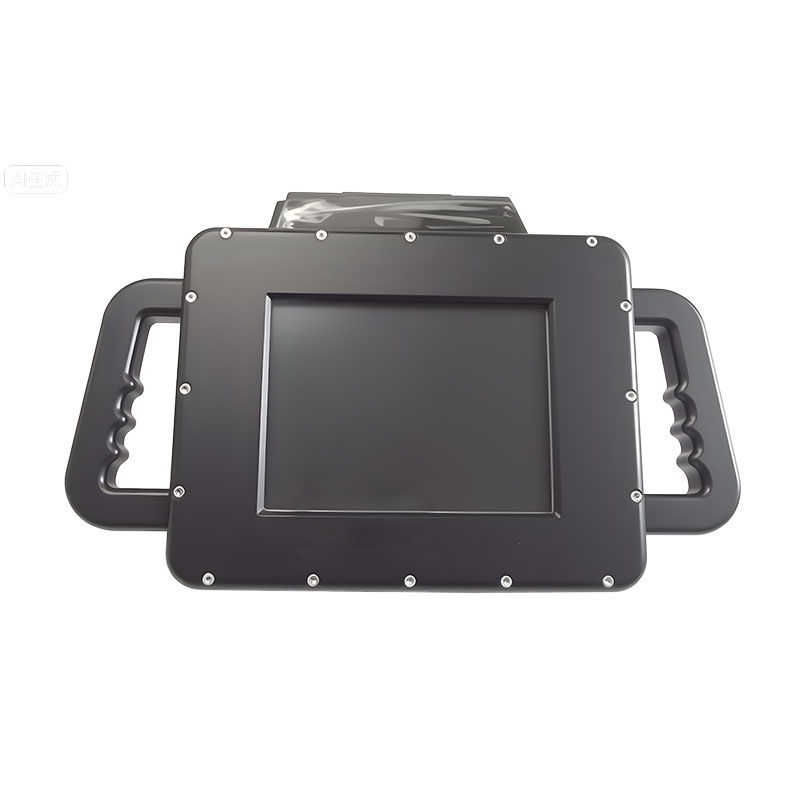 DIVER 105
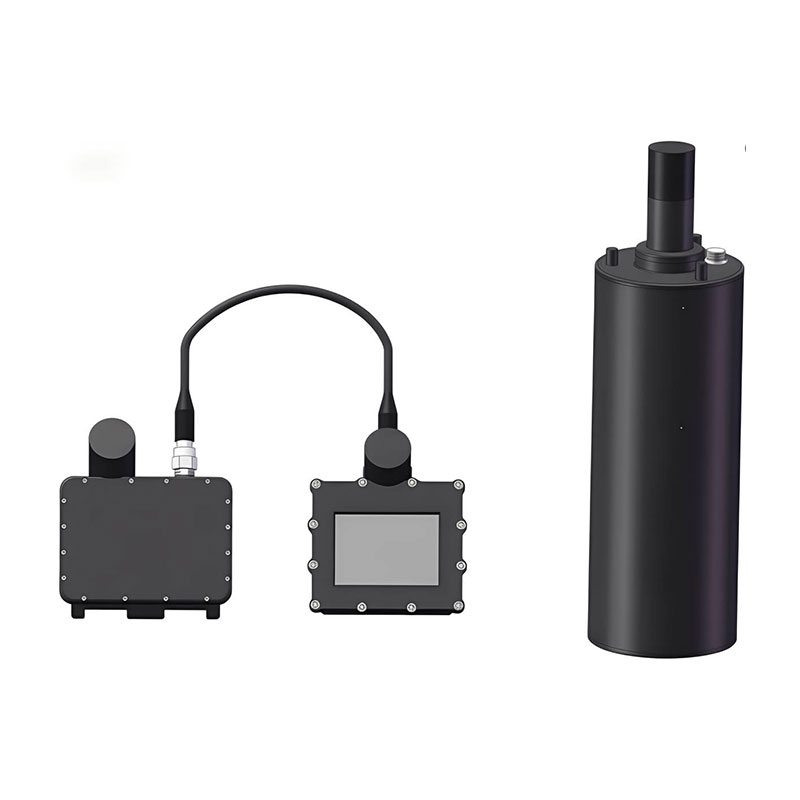 DIVER 106
 SLLR3000
 SLLR905
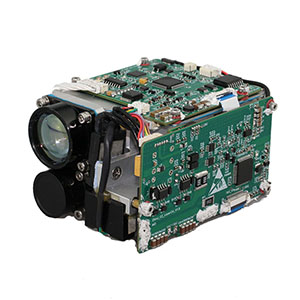 SLLD25
 160M
160M 170M
170M SLFC-70
 SLAF280
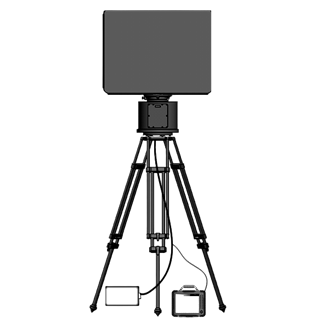 MR360
MR360